

 Amazon Music
 Apple Podcasts
 Audacy
 Castbox
 Castro
 Deezer
 Goodpods
 iHeartRadio
 Pandora
 RSS Feed
 PlayerFM
 PocketCasts
 Podchaser
 Overcast
 Soundcloud
 Spotify
 TuneIn
 YouTube
 From MTV to Garth Brooks: Pam Lewis Tells Her Story
Ever wondered what it’s like to be the mastermind behind a music star? Well, today’s chat with Pam Lewis, the president and founder of PLA Media, jumps right into that juicy world! Imagine managing Garth Brooks before he became a legend—yeah, she did that! We’re talking about an epic journey through the music industry, sprinkled with stories about trailblazing artists and the wild adventures of the ’80s and ’90s country scene. Pam shares her insights on navigating the ups and downs of the industry, how she helped shape media strategies, and the importance of storytelling in music. So, grab your favorite snack, hit play, and sit back for the behind-the-scenes magic of music promotion!
Ever thought about the whirlwind world of music promotion? Well, we explore the dynamic life of Pam Lewis, the powerhouse behind PLA Media. Pam shares her colorful journey from the hustle and bustle of MTV to co-managing legends like Garth Brooks. If you’ve ever wondered how a music star gets their big break, Pam’s your person! She takes us through the ups and downs, the strategic moves, and the sheer grit it takes to make it in an industry that’s as unpredictable as trying to pin jelly to a wall. Spoiler alert: it’s not just about the talent; it’s also about the tenacity to keep creating opportunities.
We also get to hear some juicy behind-the-scenes stories about the artists she’s worked with and the lessons learned along the way. What’s super inspiring is how Pam emphasizes the importance of education and mentors in her life. She fondly recalls her time at Wells College, where she was surrounded by strong role models. From her mom’s sage advice about financial independence to her early days in the fast-paced world of cable TV, Pam’s narrative isn’t just about glitz and glam, but about perseverance and self-discovery. As she reflects on her career, she reminds us that success isn’t merely what you achieve, but how you uplift those around you.
So, if you’re looking for motivation to chase your dreams or want to sneak a peek into the music industry’s inner workings, this episode is a must-listen. Grab your headphones and get ready to be inspired!
[00:00] Show Teaser Intro
[01:28] Meet Pam Lewis
[02:14] Garth Name Stories
[03:21] Pam Career Highlights
[04:47] Wells College Roots
[07:32] Backstage To Nashville
[10:09] Music Shaped Her
[12:52] MTV Origin Story
[16:28] Launching MTV
[20:32] MTV Breakthrough Era
[23:28] Managing Garth Brooks
[26:08] Capitol Deal Twist
[28:06] Finding the Right Producer
[28:41] Allen Reynolds Steps In
[30:25] First Album and Radio Seminar
[31:47] Garth at Country Radio Seminar and Story Songs
[34:34] Coaching Stage Presence
[35:55] Saving Music Row Landmarks
[39:08] Buying Buildings on the Row
[43:21] Franklin Roots and Ben Franklin
[45:58] Ben on the Bench Project
[49:31] Legacy Perseverance and Farewell
Takeaways:
- The music industry isn't just about talent; it's about creating your own opportunities every single day.
- Pam Lewis shared her incredible journey from a country music novice to a powerful promoter, proving that persistence pays off.
- Finding success in music means being adaptable and willing to reinvent yourself when the industry changes, just like Pam did.
- Pam's work with Garth Brooks highlights the importance of stage presence and connecting with audiences in innovative ways.
- Music has a healing power that can help people through tough times, as discussed in the context of therapy and personal experiences.
- The evolution of MTV shaped the music landscape, demonstrating how media and music intertwine to create iconic moments.
- PLA Media Homepage
- PLA Media - Instagram
- PLA Media - Facebook
- PLA Media (@plamedia) / X
- PLA Media | LinkedIn
This is Season 9! For more episodes, go to stlintune.com
#musicindustry #nashville #countrymusic #garthbrooks #plamedia #musicpromotion #mtv #franklintennessee
Thank you for listening. Please take time to rate us on Apple podcasts,
Podchaser, or your favorite podcast platform.
00:00 - Untitled
00:00 - Introduction to Music Promotion
03:18 - Background on Pam Lewis and Her Journey in the Music Industry
09:46 - The Journey into Music and Media
13:57 - The Road to Television: Early Career Aspirations
22:10 - The Rise of MTV and Artist Development
26:05 - The Journey to Capital Records
31:45 - Garth Brooks and the Country Music Journey
38:45 - Revitalizing Music Row: A New Beginning
43:20 - The Legacy of Ben Franklin
53:29 - Reinventing Oneself: Lessons from Life Experiences
Arnold
If you've ever wondered what it is like to be a promoter of a music industry star, then you need to listen to this particular conversation we're going to have today on St. Louis in Tune.Welcome to St. Louis in tune and thank you for joining us for fresh perspectives on issues and events with experts, community leaders and everyday people who make a difference in shaping our society and world. I'm Arnold Stricker along with co host Mark Langston. Mark, we've got a great show planned today.
Mark
I am very excited as I was the music director at WIL Radio here.
Arnold
In St. Louis and that's the country station.
Mark
It's the big country station. It was the big country station then and I was the music director during the 80s and the 90s.And our guest was very influential in the country music industry during the 80s. For me, the 80s and 90s of country music is where it's at.
Arnold
When I told you who was going to be on the show, the hair on the back of your neck, it's still standing up.
Mark
Oh, I'm getting goosebumps already. I am, I am.
Pam
Oh, my goodness.
Arnold
Folks, we're glad that you joined us today. We want to thank our sponsor, Better Rate Mortgage for their support of the show.You can listen to previous shows@stlintune.com where you can follow us and even leave a review. Our Our thought to ponder today deals directly with what we're going to talk about today. Mark.It's from Simon Tam and it says success in the music industry isn't something that you wait for or hope for. It is something that you create day after day. And our guest, Pam Lewis, who's president and founder of PLA Media, she's an author, she's a leader.She has been in the music industry since the, I'm going to say the early 80s. I'll take her back there.She is a, a really strong force in understanding what media is like, in dealing with people who have been successful in the industry and helping make people successful in this industry. Pam, welcome to St. Louis and Tomb, we're honored to have you here.
Pam
Oh, it's my pleasure, Arnold and Mark, and thank you because you guys helped me break Garth. So thank you for that. Thank you for listening to this guy named Garth.I had someone say I'm going to play him because I want to know what a Garth sounds like. Real name is Troyle. Did you know that that's his first name?
Mark
No, I didn't know.
Pam
It's like royal with a T trial.
Mark
I was at a, at The Country Radio Seminar and one of the parties there and they were walking Garth around introducing him.
Pam
Land Hotel, right?
Mark
Yes, and yes, yes. It was the Opry Land Hotel. And I said, this is a funny name for somebody, Garth. And look what he's done.I think the next year he grossed $44 million or something like that is what I remember. Yeah. What a weird name, Garth. But he's done pretty well.
Pam
I met other guards since him, but.
Mark
Really?
Pam
Sure. And it was the first Garth I've ever met.
Arnold
Probably named after him, maybe.
Pam
Could be. Could be. I actually met a guy from Kurdistan and his name was Garth, believe it or not.
Mark
I can't believe it.
Arnold
They listen to country music in Kurdistan.
Mark
I don't know.
Arnold
I want to give. I want to give our listeners a little background on you. You're a native of upstate New York. You graduated from Wells College.You were part of the original publicity marketing team that launched MTV and also worked with Nickelodeon, the Movie Channel, Arts and Entertainment Network. You were recruited by RCA Records in Nashville to help the careers of such stars as Dolly Parton, Kenny Rogers, the Judge, Alabama.You co managed Garth Brooks. You left rca, you started your marketing firm. You've been working with MCA Records, Lyle Lovett, Patty Loveless, CMA.
Pam
Oh, my gosh, Mr. Earl, one of my favorite.
Mark
Oh, yeah, Steve Earl.
Arnold
Steve Earl.
Pam
Town still one of the best, I think one of the best albums that come out of this town.
Mark
Yeah. Very talented guy I've got.
Pam
Super talented.
Arnold
I've got a gazillion questions for you,.
Mark
And we need that whole day with her.
Arnold
Oh, my God, you fascinate me.I've watched your interviews and read some of your stuff online and your story is a story of a bunch of bumps and hills and you just keep plowing away. Pam and I have, you know, the alternative. Yeah, but see, that's the thing. You didn't give up. You didn't surrender the ship.You didn't say, I'm going to go back home and I'm just going to kind of figure out something to do. You plowed away and. Which is very inspirational to me. You're an inspirational kind of person.
Mark
Thank goodness you did.
Pam
Oh, thank you. I have to credit that with really my education because Wells, which was a women's college when I attended, really, I was surrounded with role models.And it was founded by Henry Wells Fargo Wagon Company. And he was a stutterer. And so he studied elocution and learned how to combat stuttering and became successful.Wells Fargo Wagon, American Express, had daughters. And he was friends with Ezra Cornell and he decided to start a college for women. But he didn't want it to be a finishing school.He wanted it to be a proper college and basically raised strong women in his own family.Then the college, which was founded in 1868, just turned out amazing people and I was super lucky to go there, Including a lady named Pleasant Rowland. And if you've ever heard of American Girl, she created American Girls. She's one of the most successful people to attend Wells.And I wasn't, I wasn't a slacker, certainly not of the caliber you learned.
Arnold
Independence, self confidence. What were the things that you came out of Wells College with?
Pam
And I had a mom also who just passed last year. Rest her heart, rest her soul. She said, don't count on a man to look after you.She raised me and she wasn't anti men by any stretch of the imagination, but she really understood the importance of an education and temper. Taylor, she said, find someone to put you on a pedestal.So she was all pro finding me to find a nice guy, but she wanted me to live below my means number one, and be educated and be able to sustain myself, take care of myself. And she said, this is super funny because I was always good in English and I went to a really good high school.And so we had a lot of college prep classes. So I was able to go straight into upper level classes right out of high school.And mom's like, you're not studying anthropology, sociology, psychology, all the stuff that you like English, you're not doing that. You better study something and get a degree in something so that people will think you're smart.I'm not paying all this money for you to study English. So I majored in economics and marketing and then I begged to go to a college that had a really good overseas abroad program.So I was able to go to France for over a year and studied with the division of the Sorbonne and lived with a French family and just have a wanderluster. I got to travel all over Europe and that really shaped me too. I just, I'm. I can't just sit still. I have to.I think lifelong curiosity has always been part of what keeps me going as well.
Arnold
But you're looking at these experiences that you have and you're just not going, okay, that was fun. Or, or when something presents itself, your old boyfriend in New York and said, hey, come to this concert.I don't know anything about these country music people because I really don't like country music. You were like, nah, I'M going to stay at home.
Pam
You went, absolutely, yeah. Backstage pass, man. It was great. It was so great. And ignorance is bliss.I had a business card and I had a backstage pass and there was free beer and whatever they put out in the back. Lunch meat or something. So I was sitting around just yabbering.And unbeknownst to me, I was talking all these executives from RCA Records and Tony Brown, who was amazing. He's just an amazing musician and producer. And he was part of Elvis's band. He played piano for Elvis. Super cool dude.And they were like, what do you do? And I said, oh, I work at mtv. And they're like, you work at mtv? Oh, my God. And so they're like, can we.You have your business card and would you send us some swag? And so that started relationships. Even though they. They were in Tennessee and I was in New York, they would call me and that was kind of cool.And trust me, I did not want moved to Nashville, Tennessee, which was like the backwater. And when you live in Manhattan and you're in your 20s, they're like the world, your oyster. It doesn't matter if you're only making $11,000 a year.If I'm here and I've got. I'm going to be able to go to this party and that party and whatever. And I lived in a little studio apartment. I think I paid $400 a month.And I grudgingly went and interviewed for this job. I didn't want to do it.And I had been to Tennessee, I'd been to Nashville because my family went to the World's Fair in Knoxville and then we came to Nashville. And I remember going to the Opry and it's really beautiful here. It's rolling hills, kind of like upstate New York.And so I was familiar at least with Tennessee. And anyway, they made me an offer I could not refuse for sure and move me here.Can you imagine how heady that is to have a moving van come pull up to you and to your apartment, move all your stuff, offer you a really good salary, offer you insurance, blah, blah, blah, in a middle management position? And I was, goodness, 20. How old was I? 24, 25, Something like that.
Mark
That was RCA. RCA Records, was that RCA.
Pam
Okay. And Joe Galani was very powerful.
Mark
He sure was,.
Pam
And learned a lot. But anyway, yeah, pretty funny. But I really didn't grow up listening to country music. Aside from, I think, the Sons of the Pioneers.I would have had one of their albums. She would play that when I was supposed to take a nap when I was a kid.So I listened to Sinatra and Andy Williams and, oh, yeah, Sons of the Pioneers. So country, whatever Joan played on the Victrola.
Mark
So country is kind of an acquired taste, then.
Arnold
Yeah.
Pam
But you know what? Here's the kicker. I loved Cloudy Stills and Nash, for example. Teach youh Children. That's a country song if you listen to it. So I like the folk stuff.I liked Cat Stevens. I liked Neil Young. I liked Somewhat Fogelberg, Van Morrison. I like Ben Morrison. I was not really like AC dc. I wasn't listening to that particularly.So I liked lyrical songs. Cat Stevens is one of my favorites. I'm actually reading his autobiography right now. And I got to see him at the rhyme, and it was just magical.And all those lyrics just came back. I knew every song. I knew every lyric. I was so sad when he decided to give up music for a while to.To pursue family and spirituality and so, well, story songs. Lyrical songs have always grabbed me. And I guess I always like classical music. I always sang.I was always in competitive choirs, high school and college. I played the piano, but I hated to practice. Played the clarinet. Hated practice.
Arnold
All right, another clarinet, you know.
Pam
But my parents drugged me to museums and concerts. We would go to Tanglewood, and we would go to the city. And I learned how to appreciate music. And that was important because.Lovely thing about music is it's a lifelong passion. If you like music, you can listen to it, you can play it, you can sing in church. You can just. It's so enriching, and it really heals the world.And I'm not being lofty about that. It has healed the world. I go to bed and I listen to Hertz music to help me sleep.I had a podcast with a friend of mine yesterday, and we're working his project, and his dog is sick, and his dog has cancer. And I said, put. His dog's name is Hank Jr. I said, we'll put on some Hertz music for Hank. I said, just go online. He goes, what are you talking about?I said, just look it up. So we found. Put it on it. And while we were talking, he was listening to that.And it's not going to hurt you, and it probably will help you, so why not do it? It's so powerful. People don't realize how powerful music is.
Arnold
You're exactly right. It really has a way of healing. And matter of fact, there's a whole website on music healing.And my sister's a music therapist and how you deal with that with Individuals who are going through whether it's a physical or an emotional or mental crisis. Right? Yeah.As I look at your life and I'm reading about it, I see that when you first went and you were working at MTV and then even when you started working for rca, some of the things you mentioned was that you really didn't understand the extent of how powerful and how important and how vibrant those particular things would become in your life. And you just. I think RCA more.But the MTV thing I was curious about when you signed on to do that, was it like, oh, we're going to do this and we're going to work on this television site. What was exactly your role going to be? And then where did it end up?
Pam
Okay, so let me just rewind for two seconds. So I did not want to work in cable television. Now I'm what? Cable tv? Yuck. I wanted to work at network tv.I wanted to work for a major advertising firm that to me was status and befitting my education. My parents wanted me to go to grad school and my mother wanted me to work at the Federal Reserve Bank.And it's so funny because I'm just going through a lot of papers and I have stacks of rejection letters, stacks of them that I just saved. And I've been asked to write a memoir. So I think I'm going to put that in the book. Right?
Arnold
Yeah.
Pam
And so I did to call my parent. I actually interviewed at the Federal Reserve bank, believe it or not, which I'd rather have a stick in my eye than work there.No offense to anybody who's listening, because that's. That's a very important job, of course, but. Wow, that's just. I'm a little bit too. I don't know, I'm a cultural creative, I would say.
Arnold
It's too stuffy for you.
Pam
Yeah, a little stuffy, yes. A little corporate. I can tell you what I was wearing when I interviewed. That's how. Whatever.Anyway, long story short, when I took the job, I interviewed with someone at CVS News at Blackrock. So she was at the network. Her name was Paula Gottschalk. And the president of wealth got me that interview because she's pretty influential.Frankfurt Carrington, who was the governor of Texas and symbolically ran with Shirley Chisholm. Black woman Shirley Chisholm, who ran for president, symbolically. And Frances was her vice president.So she was a real powerful force in politics and. And a role model. And so she was friends with Grace Marabella and all these different people. Anyway, long Story short, she's very sweet.She got me my internship, which was at Ms. Magazine. And I worked with Corey Steinem, believe it or not.
Arnold
Wow.
Pam
So she's poured me a cup of coffee. One day I looked up, I'm like, oh, my God, I almost dropped a coffee. There's Goris Dynam. And she said, tell me about yourself.I'm like, you're talking to me. I look behind me. Anyway, I'm digressing. That's the kind of cool, like, validation that I got.And so when Paula said, I don't have a job for you, but go talk to my friend, she's working in cable tv. Her name is Margaret Wade. And there's a company called Warner Amex Satellite Entertainment Corporation.Is that not a big enough word for you, a title? So we were called wasac. And we had made money. The company had made money with American Express, which. Talk about circling around here.American Express is part of what paid for Wells College.
Arnold
Right?
Pam
So you had. American Express was the big credit card at the time that cable television was made to burgeon.So Warner Cable was making money with all this quaxial cable that they were laying and they needed. And then they had the Atari game that was absolutely enormous, that was also owned by Warner.So they had all this cash, and they put this company together to use some of that money, basically. But it was on a shoestring, believe it or not. So they had these. They already had Nickelodeon.And then they were developing Bravo, which was the Arts and Entertainment Network. That then came Bravo. They had something called the Shopping Channel, which was a precursor to Shop at Home. And we're buying online all the time now.But at the time, this was revolutionary. And then they had something called the Music Channel.
Mark
Oh, yeah.
Pam
Which became mtv. And I just was on the ground floor of that. So obviously, one of the most fun things to work on was MPD because I love rock and roll music.And you will know Robert Pittman. Bob Pittman, he was my boss. John Lack, who was also one of the top guys. And John came out of CVS spot sales.And then we had a guy named Jack Schneider, who used to be the president of cbs. These are the guys that were working there at the time. And then here's little old me from Red Hook, New York. So I was like a fly on the wall.Margaret Wade was my boss. She's very much a character. She was tall, lanky, smoked and drank, and floor.And she said, I'm gonna hire you for your tenacity and your intelligence is exactly what she said. But don't go after my job. And I'm like, lady, I'm just a kid. What are you talking about? I'm thinking of myself. But that was a warning. Yeah.
Mark
Wow. Wow.
Pam
So Pittman, she and Pittman were both from Mississippi and they were peas in a pod. And so I was just watching all of this and trying to learn to be a secretary, an executive assistant. And back then, I'm not taking typing classes.I don't want to be an assistant. I want to be an executive. So I fumbled along on this typewriter and I did okay, but learned so much. Learned so much.And I remember John Belushi used to come in the office and Ted Turner came in. One time I was working late and Ted Turner came in and he had this huge row with Jack Schneider. And I was just practically hiding on the lake ass.Because I didn't know that they didn't know I was there. And they're swearing at each other and they would. We would work on the weekends. We were launching mtv and so my boss was like, I need you to come in.We need to put press kits together. And so we would get. We were working in this one building was a Celanese building on Avenue the Americas.So sue and I would get there to the office and it would be hot because they turned the AC down. I feel like, oh my God. So we'd have to try to contact the building. Ticket you, please. We're going to be working today, Saturday and Sunday.Would you please let the get a little bit cooler so we could, you know, I can remember having a T shirt on. And we would. These long hallways and we would be collating papers to put in press kits. That's funny to think about. And then MTV was not in New York.
Mark
Where was it?
Pam
So here's the kicker. Manhattan cable did not have the channel capacity to carry a 24 hour music channel.
Mark
Oops.
Pam
And my bosses were like, it's got to be 24 hours. You can't just do day parts. It's got to be 24 hours. So we launched in New Jersey when we flipped the switch and people saw the Buggles and Radio.Kill the video. Killed the radio star that was actually in New Jersey. They picked us up in a limousine and we flipped the switch.And then eventually Manhattan saw the potential. There was lots of negotiations going on and they started to carry it. But we were in St. Louis, I'm sure, before we were in New York City.
Arnold
Yeah, you were doing that campaign, weren't you?
Pam
I want my mtv.
Arnold
Yes.
Pam
Yeah. And which is. Now this is a real throwback. You'd have to be. You'd have to look this up.But there was a black and white advertisement back many years ago, so it had to be probably in the 60s, maybe 70s for a cereal called Maple M A Y P O Mapo. And it was maple flavored oatmeal. And they had this obnoxious cartoon. It would be I want my Maple. I want my Maple.
Mark
I remember.
Pam
And that was. Do you remember that? And that was like a throwback.
Mark
Yeah.
Pam
Then. And because of people like J.J. jackson, who had such success in radio, Mark Goodman also came out of radio.They had relationships with rock and rollers. So they were. Because of that trust that was built, they could get the who to say I want my, my mtv. Or they could get Fill in the blank.There were a lot of different artists that we got to do that because they saw the merit that this is a show, a 24 hour channel that could help them with their music.The other dilemma we had was because we weren't seen in New York and la, the two music capitals, we needed advertising because it was always an advertising driven channel. So Madison Avenue couldn't see it. So we had to convince them, would you please give us some ads?And then we had to convince the record labels and the artist management to produce videos. So when it first launched we had hardly any videos. And the people's videos that we had, the earth we had, they made out because we just.They were in real heavy rotation, mostly because we didn't else to play.
Mark
How long did it. How long did it take after the launch to get into New York and la? I can't believe you weren't in la. That's.
Pam
I don't. Not really. Maybe part of California, but it took a while. It probably took. This is ancient history. It probably took six months to a year.I'm thinking that's a lot. It took a while. Took a while.But what started happening is people would catch MTV and then they call the radio stations and say, hey, I want you to play A Flock of Seagulls.
Arnold
Yeah.
Pam
And they're like, what's that? We saw it on Such and such. So then it started to impact and then the dots started to connect, if you will.And it started to help with artist development. And so then the videos were pretty expensive. You had Julian Temple and Simon Fields and all those guys back then.They were expensive also and they're even escalated even more now. So they were like, why are we going to spend this now, the people that had videos were a lot of the artists that were from England.So, for example, David Bowie was always very visual. He had videos. Let's see who else. We had Duran, they had videos and they were on Capitol, but of course they were British. Right.And, oh, Adam Ant, these are some of the early people. And then Pat Benatar, early on, got on, started doing. Then you had Madonna just explode.And then anybody who's out there who has watched Michael, the new biopic on Michael Jackson, there's a whole episode about mtv. All of that is true. And that's when I was working there. So I don't want to spoil it, but watch the movie. It's really good.
Arnold
Okay.
Mark
It's an interesting movie.
Arnold
Yeah.
Pam
Oh, that's true.
Mark
Beginnings of Michael this Arnold Stricker with.
Arnold
Mark Langston of St. Louis in Tune. We're talking to Pam Lewis, she's president and founder of PLA Media. Pam, a question about.When you were co managing Garth Brook, you and Bob Doyle were working everything for his promotion and everything. And. But then, as I recall, the record label that he had signed with, they wanted to do the same thing and. But it was like going back and forth.What was exactly happening back then? Because you guys seemed like, hey, it's successful. Just leave us alone, we're doing it.
Pam
Yeah, exactly. And let me do a shout out to Bob. Bob was working at ascap and he called me and said, hey, let's get together.And we had several meetings and finally he said, I'm going to leave ascap. I'm starting a management company. I want you to meet this guy. He's a young boy.Called him a young boy because Bob, Garth and I are close in age, but Bob is older. And so he was looking at Garth as his son. And so I met him and we decided to start Doyle Lewis Management. But Bob is from Missouri.
Arnold
St. Louis boy.
Mark
Yeah, right here.
Pam
Show me his day.Basically, Bob has excellent years and Bob had a reputation at ascap where he worked many years and knew a lot of songwriters, knew great friends songs, and he had a publishing company. So he had publishing on Garth. I did not. But he had published on Garth. And so he did not want to chance the record label making the songs of success.So we always paid for independent radio promotion and the label, especially when Jimmy Bowen took over, they were really peeved about that.And I remember Bowen saying, what kind of message does this send to the rest of the artists on the roster when my lead artist is hiring independent promotion? And we were. If it Ain't broke, don't fix it. Because we caught him in a couple of not too savory things. We thought, we've got to have a watchdog here.So we paid for radio promotion. All the whole time he was on the label and we had been passed on lots of labels. So Capital was not our first choice. For sure.Really nice people, but they were not like the top label. RCA was top, cbs, those are the two powerhouses at the time. And of course, RCA already had Clint Black, so that was going to be a problem.We didn't want to be on a label where Clint was. He was our competitor. And cbs, they passed on us. Yeah, we went to cvs. They passed. There were a lot more labels then and they.Of course, everything's consolidated. A whole different world now.
Arnold
The whole story about how he got actually got on Capital is interesting. Can you tell that one?
Pam
Sure, sure. So Bob and I are pretty dejected, I have to say. And we just thought. We thought we had a deal on mca. We really did.We thought that was going to happen. I knew Tony Brown and we just. As we were leaving Jimmy Bowen's house, I said to Bob, I said, he's going to pass. He said, well, how do you know?I said, garth, could you please have talked a little bit about your country music influences instead of Kiss? Really? I said, I think he's got cold feet. He's not going to sign you.And we had a deal with Tony Brown, but Bowen had to sign off, so that was disappointing. So then the next meeting was Capitol, and we took the meeting and they passed.And this maybe a day later, two days later, Garth was going to be playing at the Bluebird, which is sort of a legendary small little club in Green Hills. And Garth was just doing the Songwriters night. And Bob and Garth were going to go together. I wasn't even going to go. It was just like.Just a little pickup, little show on a Tuesday night or something. So I'm at home, I'm watching TV or reading a book or whatever, and the phone rings and it's Bob.And he said, you're not going to believe what happened. I said, tell me.He said, when Schultz was there at the Bluebird, and Garth wasn't supposed to go on right away, but Ralph Murphy, who worked at ascap, was late. And so they said, well, Ralph's not here. Go up and play. Garth gets up and he plays a couple numbers.And so Lyn walks over to Bob and says, how do we leave this thing? Exact quote. And Bob looks at him and says, what do you mean? How did we leave it? You passed. He said, call me tomorrow.I think I might have missed something. That was a true story. So I was good friends with Lyn. Lyn and I used to talk about psychology and metaphysics and stuff. And he and I were buddies.And I had worked with him on Dan Fields. So I did some consulting for them. And he said, pam, you're going to need to help me with this because you know him better than I do.So Bob wanted Jerry Kennedy to produce. So when they offered us a deal, Jerry Kennedy did not get along with the record label, did not get along with Lynn.So Bob's like, I don't know what we're going to do. Jerry gets guards, but this isn't going to work. So I said, I got an idea. How about Alan Reynolds? And he said, alan Reynolds?I said, he's got his own studio. He doesn't take on a ton of projects. Garth needs time to learn how to be an artist and work in a studio, work the mic. He needs to be nurtured.We don't want someone that's really busy if we can have someone that could kind of nurture him and look at the acts that he's worked with. Kathy Matea, don't make your brown eyes blue for Crystal Gale, Hal Ketchum.Plus he had a really great publishing company with people like Pat Alger writing for him. And so I just think he'll get him. He'll get. And Garth Hart's this real singer, songwriter, folk talent, band influence.And Alan was part of that world. He had worked with Cowboy Jack Clement. And I just thought, I don't know why. It was like a Dodd thing. Maybe we should call him.And I didn't even know Alan Harley at all. So we took a meeting. He had the time, and the rest is history.Unbeknownst to us, he had enough of the business and he was getting ready to sell his studio and get the heck out of the business. When we called him, that's another God thing was like, the plan is lined up. Found out about years later. And he'd had labels steal his artists.So Kathy Matea had left him. Crystal Gale had lapped him. And he was just like, why am I doing this? This is ridiculous.And Alan's another real renaissance guy where he has a background in finance. He's very good, very good at what he does, but also super creative. And he used to call me pal, very soft, spoke. Hey, pal, how you doing today, pal?
Mark
And it's better than Ma'.
Arnold
Am.
Mark
It's better than ma', am, no, no.
Pam
Ma', am, or hey, you. So we had a deal memo. We kind of just had a deal memo for sure. And.But because Alan and Lynn trusted each other, Lynn stayed out of the studio and just let us. Just let us do our thing. And we handed in a full album, and they're like, oh, okay, I guess you can put this out. That's literally what happened.
Mark
Did that have Friends in Low Places on it?
Pam
Nope. Second. That was the second album. But it was supposed to be on that album. And Garcin won it. He's like, yeah, I don't think so.So our first song was Much Too Young to Feel this Damn Old.
Mark
Oh, yeah, Great song.
Pam
That was the first. So he put that out. And this is a funny story. So it came out right before radio seminar, and I had these buttons done.They were red buttons with white lettering. And it said, I'm much too young to feel this damn old. Which, if you've ever been to a radio seminar, that pretty much summed it up.Because everybody's hungover and tired.
Mark
Oh, yeah.
Pam
So I was sticking them on everybody. And I don't even think we had Garth Brooks. I don't even think we wrote Garth on it. We just. It just was red button with white lettering.And I stuck it on Joe Galani. He's walking around with his. Yeah, you're no kidding. He didn't know it was the Garth song.And here he is walking around the head of a record label with a Garth Brooks title on his lapel. Pretty funny.
Mark
Wow.
Pam
Yeah. True story.
Mark
I have a quick story about Garth at the country radio seminar that Pam is talking about. They would have luncheons every day.There'd be lunch, and they'd have somebody, like, sometimes they'd have all the writers of all the people that wrote all the songs. They'd all have a guitar, and they'd sit up there and they'd all play their. Whatever they wrote.But it's coming from the person that actually wrote the song, not the artist that sang the song. And we had one luncheon. I'm getting to the point here.We had one luncheon where Garth sat on a stool with a guitar and played for, I guess, about an hour. And it was probably. I'm going to tell you one of the very most memorable and enjoyable things that I experienced at the country radio seminar.I know, like, RCA would take us on the Robert E. Lee boat or whatever it was.
Pam
General Jackson.
Mark
General Jackson. Thank you. And they'd have all their artists on there, and they. Alabama and Clint Black, all these people.And they'd just play Hank Jr. Bo Sevis, and they'd play for three or four songs while you cruise up and down the river. And that was all a lot of fun.But seeing Garth Brooks sitting on that stool while we're all trying to have lunch and talking, and he would just strum that guitar and sing his songs, there was nothing like it. Pam, it really.
Pam
I am so glad you said that. It's really and truly. That's what. When I met him, when Bob should come to the office, he just sat there and played.He's sitting on this Haitian cotton sofa, and his dog was laying at his feet. He had an Alaskan malamute. And there was something about him. It was really plaintive.He's not the best singer in the world, but I think he's got a very distinctive voice. I'm like, yeah, I get him. He's selling this song. I get it. And he put himself through school playing in clubs in Stillwater.
Mark
Never knew that.
Pam
So he was like a human jukebox. He knew how to work a crowd. He really. He could watch it. He knew he could read a room. It was very captivating. And he. I.When I met him, he wasn't jumping all over the place. He was just singing his songs and. Yeah.
Mark
Very kind.
Pam
If Tomorrow Never Comes. Nobody wanted to write it with him. He thought it was too maudlin.
Mark
Great song. That's what I love about country music. It's the stories. I call it American music is what.
Pam
I think it is, but absolutely.
Arnold
American. Storytelling.
Pam
Storytelling.
Mark
It's much. Yeah, I. And I started in my career in rock and roll music, the heavy stuff.
Arnold
And he converted.
Mark
I did, and it was an acquired taste for me.
Pam
Great story songs in rock and roll. Turn the page. Give me a break.
Mark
All right, all right. Yeah. Yeah, you're right.
Pam
I got to go to Nepal this year, and I just couldn't wait. Could go to Nepal and go to Kathmandu and go Kathmandu. And just screaming at the top of my lungs, I was just like, this is so cool.
Arnold
I can't believe I'm here. So anyway, something you say about your business, PLA Media, is you're dedicated to placing and keeping our clients in a positive media spotlight.Now, obviously, somebody who hires a media company doesn't want them in a negative spotlight. But what are some of the things that you do to put them in a positive media spotlight?I was reading some of the things that you helped even help Garth with stage presence. And how to work the audience and by watching videos of other artists who are successful with that. What else do you do in that light pan?
Pam
Believe it or not, Garth was just stand and play. And I said, garth, you like Billy Joe? Why don't you watch his videos? Just check out some videos. And don't be. Don't emulate him, but you.How do I put this? Emulate him, but don't be him. Marry what he's doing and work the stage. And so he started. So he started to do.And he used to always say, kind of bashful, wink not. He said, if I look like George Strait, if I was handsome, I would just stand there.But I don't look like George straight, so I've got to run around and make up for. It was very athletic. So he used his athleticism. He played three sports in high school and college, and it worked. It was something different.We had an interesting thing happen. He's not an artist, but I worked with a hotel called Motif M O T I F, which is right on Music Row.And we had a building called the UA Tower, United Artists Tower, for years. And it was built to be the sister tower to the Capitol Tower in Los Angeles.And ever since I moved here, it was languishing and there weren't a lot of businesses there, but it was iconic. It was this big cylinder tower. And this guy named Andy Bhakta bought it and he wanted to turn it into a hotel.So I was really concerned about saving Music Row and saving iconic structures, one of my passions. And so Andy and I met a few times and I said, God, Andy, can't you do this? Can't you do that? And we talked.And so he called me one day and he goes, I can't say this. There's. This is wrong, and that's wrong, and it's not going to happen. I'm going to have to tear it down. I'm like, that suck.So he called me after he's built this hotel, and they're all sweet, all sweet hotel. And he's like, I want you to come to the opening. I said, thank you for inviting me. And I said, who's helping you put a guest list together?He said, nobody. I said, how about we invite you to grow? How about we do this? Let me help you. Instead of just coming to the event, let me help you.Let me work on the grand opening. So that's weaseled my way in there.And I said, I've got an idea for you, because you've been another quote unquote greedy developer that's torn down a piece of our town. This is going to be some blowback here. And so this is where a lot of music took place, right here on this dirt.This where music was written, careers were made. UA Tower was pretty famous at the time, back in the day really, before I moved there due to the heyday. I said, why don't we celebrate?Not the artists. Not necessarily. Because everybody celebrates the artist.You go to any place up and down all the hotels, they've got pictures of Dolly and they've got. A lot of the artists now have their own places, including Garth. But I said, really, the backbone is the songwriters. So he.This guy's Indian, he's listening to me. But he went to MTSU and he said, I see what you're saying. I said, why don't we celebrate?How about if we have a whole wall of lyrics and I can get the songwriter who are not heralded the way they should. A lot of people, they're not household name. People don't know who Bobby Braddock is unless you're in the music industry.But he wrote she Stopped Loving. He stopped loving her today. He stopped loving her today.It's what his big hit, one of his big hits, Golden Ring, another big hit for Tammy and George, if we hear them. And then he's like, okay, what are you going to do? I said, I'll call them and get their lyrics. And so that's what we did.So we have this whole wall in this hotel called Lyric Lane. And instead of it being like this terrible guy, Andy Vodka, who tore down the UA town, now people are like, wow, let's go over there.We can see these songs.
Arnold
And we.
Pam
And now they're developing a writer's night there.
Arnold
Cool.
Pam
That's what I mean about taking something and making it even better than what it was. Just could have been potential blowback. It's making it even better.
Arnold
And you even purchase some property properties next to help save the row there.
Pam
Yeah, I. When Guard started to take off, I needed to spend more and more time working with Bob. And to Bob, could you please close your PR company?I'm like, I'm going to take a page out of Tammy Wynette's book. And Tammy never gave up her dietitian's license ever, her whole career. So I said, I don't know how long I'm going to do this with you guys.And I don't know if Garth is going to happen and you guys might throw me out. I'm going to keep My PR company. And so grudgingly they were like, all right, fine. So the rent kept going up.I hired someone to run the company and I was more of overseeing. And so I said, I need to buy a building on Music Road. This is stupid.So what ended up happening is I ended up buying five buildings for that were just really blighted. And the lady wanted $800,000 for the five buildings at the time.
Mark
Wow.
Pam
And it was. They were owned by Al Gore's aunt, Katie Gore. So I said to my real.Real estate agent who'd been looking for a house for me for two years, and she was going to lose her commission because I had found a historic farm down in Franklin and I bought it from the Resolution Trust Company. So Mary Lou was going to lose the commission. I said, hey, I tell you what, I want you to keep, earn a commission. You've been so kind to me.Let's find some property and you can get a commission helping me find an office building. So we're driving around and she looked like, like I was absolutely daft because these buildings were super cool but like really needed work.And they built in the 20s and 30s. And music grow is basically a collection of old houses.
Mark
Yeah, yeah, that's. I was going to ask you that. Those are. Most of them are old houses. Occasionally you'll see a, a fancy office building.But Music Row people might be surprised that it's just old houses. Yeah.
Pam
Now some of them have been knocked down. So unfortunately that's. I'll tell you the other part of the story. So anyway, I bought the buildings. I offered 400,000.So it's five buildings and a garage. And the garage has also been converted into offices and they took it 400,000.So I, one by one took my time and just rebuilt every building until it was finally done.
Arnold
Good for you.
Pam
It's been good. A really good investment. And now I just like really prime real estate.And you've got Airbnbs and you've got, you do have some people living here still. But all my tenants are all pretty much related to the music industry. So we still have about 200 music related businesses here.The guy next door teaches music lessons. I even have a lot of therapists that rent for me. But their clientele are a lot of people in the arts. It's still related. Right.So we have luthiers here and we have publishing companies and a couple of record labels are still here. So yeah, it's an interesting place. And it's juxtaposed to Vanderbilt University and Belmont University.So from lobbying, in meeting with the mayor and whoever I could talk to, we've now prevailed so that these three blocks here, they can only go three story. So at least we've been able to prevail on some of the integrity of this area.
Arnold
That's good for you because I know you got involved in. In politics at the end you were like the. What? The. I don't want to say the interim mayor. But you were also on the council, right?
Pam
No, that was in Franklin. And I'm sorry, still involved in Franklin. Franklin's like a half hour's job. It's a suburb of Nashville. A lot of music people live there.So the two music hubs where people live are in Hendersonville. People that have boats and like to live up there. A lot of the older Alan Jackson people. Yeah, I don't know where Alan is now. He used to be on the.One of the rivers. I'm not sure, quite sure where he lives now. But the Oak Ridge boys, for example, live in up there and have their office up in the house.Hendersonville, that's north of town and we're like a half hour south, so it's real pretty. And people, people like Mike Wolfe from American Pickers lives in. In that area and the Judds live down there. And a lot of different.I think Stapleton's got a place. Justin has a place, just a timber lake. So yeah, it's a cool place as we have a little historic downtown.
Arnold
And so, yeah, speaking of Franklin, you're an author. Why is Ben Franklin America's first rock star?
Mark
I love it.
Pam
Have you read about him? He's so cool.
Arnold
I've not read that book. I have to get it because I saw that on the website.
Pam
I was like, what?
Arnold
I have to ask that question.
Mark
You wrote two books about Franklin.
Pam
I wrote two books, yes. I found out that there was a connection between the naming of our town and Ben Franklin. And although Ben died in 1790, our town was founded in 1799.Ben Franklin was already super famous in America. And people don't realize this about him. He was in the potbelly stove. And of course he studies it with electricity.And he would take eels, electric eels, and study the electric eels along with the kite, the famous kite experiment. He never had patents, he never wanted a patent because he wanted to share all these experiments with the world. So he's very altruistic.He started the first post office, he started the first lending library. He had his printing press. And books were only for rich people, unless you had Money, you didn't have a book. So this is.He was very altruistic in the way that he approached and very enigmatic guy. But the connection is there's a guy named Hugh Mori, so there's a Maury County M A U R Y. He was one of the early settlers of the Tennessee area.And then there is a guy that he was also befriended named Williamson. And so Williamson county is named after. And Franklin's in Williamson county.And they were pals and they signed the Declaration of Independence together. As a matter of fact, Williamson was part of the pea party.And so when the town was going to be named, and this is a rich town, very good for farming, they were going to name it Martha's Bill after Maury's wife. And Martha said, no, name it after Ben Franklin. Ben Franklin is auspicious. You want that Franklin mojo. So that's how it got named Franklin.So I've lived here since 93. I moved to Franklin and I thought, shoot, why are we heralding Franklin? Why is there no statute? Why are there, why is there nothing about this?And we have Civil War history. We talk about that. Don't talk about the influence of the Revolutionary War.So we were at this time last year, I was talking to some people and I was kind of grumbling. And there was other priorities that we had all worked on together. Stadium, battlefield, lion land. And I always, I wanted to advocate for public art.And one thing led to another and I had a meeting with the Daughters of the American Revolution, the bar. And they were hand wringing about doing something for Ben Franklin and they didn't have any money. And they were like, we're going to find a sculptor.And I'm listening to them and I said, I'll tell you what, this is not a novel concept, ladies. There are a lot of places across the country named after Ben Franklin. There are a lot of businesses named after Ben Franklin.This is like a no brainer. Reach in your back pocket. You might have to have a Ben Franklin in your back pocket even.And so instead of trying to find somebody to do this, there's got to be someone who has done sculptures of Ben Franklin. They're all over the place. Let's find that person. And it's got to be really good because he's a founding father. It can't be an impression.It needs to be spot on. So by the end of the day, one of the ladies, a lady named Bucky Barrel, who's really good at research, she calls me up, she goes, guess what?I Found this guy. His name is George Lundin. He lives in Colorado and he's got a statue. We can talk to him. So this cut out months, right?Months of meetings, a month of getting sculpture approved, etc. Etc. And there had already been some conversations with the county. So I get on the phone with George. He tells me this amazing thing again.Plan is lined up.He said, I designed this sculpture of Ben sitting on a bench and there's two birds behind him and he's reading the Constitution and he's got his cane. I'll send you a picture if you like it. I've got one in my barn.He said, I designed it for a patron, an art patron, and he owned it for years, but he passed away and his family doesn't want it and I bought it back. So we'll get it. Work on the patina, get it all polished up. I'll ship it to you if you're interested.
Arnold
Wow.
Pam
That's what happened. So we unveiled it for. On his birthday. January 17th is his birthday. He would have been 320 years old.And it was great fun and a lot of people showed up and the weather held out. And we had a Ben put his haters, and he's there. Anybody can come and see him. He's been on the Bench is the name of him.And I just saw some people and I always stop, get a picture. He's actually in front of our archive and with our old library. Now it's an archive and museum.So he's just juxtaposed in downtown and he's in front of what was a library and angled toward our post office. So it's very symbolic.
Arnold
Oh, yeah.
Mark
What a wonderful story. Yeah.
Pam
Yeah. Then I'm like, we have to light this up.So then I worked on the county and we have it lit up at night, and it was my gift to the town because they've been good to me. Not I'm a Yankee, that stayed. So, you know, they haven't run me out of town yet. So.
Arnold
Anyway, Pam, that goes back, though, to the beginning of when we were talking and I was mentioning about how you just. You keep going, you work harder. If there's some disappointment, you find a way through it and you kind of reinvent. You build on what you know.You don't let things get you down. You just keep going.
Mark
Write a book. Will you write a book about this?
Pam
It's really funny. I did a book, the Persevere. Yeah. Yeah. Thank you. I look at other people.We've had clients, and they've I've worked with people that have had overcome illnesses, overcome getting wounded in battle. Just I've had a really charmed life. I've been super lucky, so I don't look at it like I've really overcome that much.I've had my share of disappointment. I'm not married. I was married for a while and I don't have kids.So I feel like it's important that my legacy has to be more than just me and more than just going on vacations and whatever money that I've made, I can just blow in it. That's kind of shallow. And there's so much that needs to be done in the world.And I've read something, I don't know who said it, but the quote is, your thinking small doesn't serve the world. So it's about spreading your wings. It's really incumbent upon ours to give back.It is incumbent upon us to find ways to give back, to sublimate our own needs. And when I had no money and I have been broke, I literally have been like, sit home and eat peanut butter, bro. Broke.I can remember I, I didn't have money to buy gas really to go tooling around. So I would invite people over because I like to cook and entertain.I had cable tv, we could watch a movie or we could play cards, listen to music and nobody, I never complained about having no money. But the reason why I didn't go meet anybody in a restaurant because I couldn't afford it. I couldn't even afford the gas.I'm like, I got to save my gas because I got to go to work on Monday, I gotta drive into MTA and sit and work on a Lyle Lovett buyer or whatever I was doing. And so it was very humbling. I remember one year I, I did buy a house. I had certain goals. I bought a house by the time I was 25.But my dad had a co sign because I had mercurial income sources. And that killed me to call him and say, I've got this house, $49,000 but I need you to co sign. Is that okay?And he was so sweet, goes golly, you call me Dolly, Dolly, that's no problem. He said, if you're late and you miss a payment, I'll own a nice vacation house in Tennessee.
Mark
Good for him.
Pam
And that was my father who was funny as hell. One of the children and very self made guy, went to school on a GI Bill, went back and got this master's.My mother went to Ohio State, she was a dental hygienist. They both were self made people. They bought real estate so that they could have rental income to be able to pay for my sister and my college tuition.And we just were scrappers. My dad was one of 11 children, for God's sake. My dad, my mother was from a divorced family. She was the only kid in school that had divorced parents.So there was a lot of outsider stuff going on in my family. Marginalized. And they just made it work. And I never, I can remember being like a little.Feeling a little bit poor, but not really sleep under a bridge kind of poor, just. But that's really good because it builds character. And my dad used to say to me, pam, you need to learn how to delay gratification.That was one of his quotes. And I'm like, I think I didn't even know what gratification meant. I think I had to look it up. Seriously, that's a big word.
Arnold
You've obviously learned tremendous lessons along the way from your parents, from your education, from your work sites, from some of your colleagues.And the beneficiaries of that right now are the people where you live, the people who you've come in contact with that you actually help in your business, and those who get down to visit Franklin in the area, and those who get to listen to the artists that you support and encourage and provide media for. So thank you for taking time out of your schedule, which I know when this came through I was like, wow.I looked you up and was like, holy smokes, this, this lady, she's got it together. And we're honored to have you on the show, Pam, wherever you are.
Pam
Oh, you guys been fabulous. And I think also you have to just keep reinventing yourself.When I got out of all the Garth stuff and that was a five year dissolution of that partnership and I went through a divorce. But at the same time, everything had changed. The music industry had changed and I thought, I've got to reinvent myself. So I still.The low hanging fruit has always been entertainment, but I still have been doing other things. So I. Someone's got a restaurant, they need help, I'll help them. We've got, we work with historic sites, we work with event planning authors.So I feel like I just have to keep looking for what else is there that I can help with. And my motto is, let us tell your story. So everybody's got a story to tell, let me help you tell it. That's what I do. I love that.It's this being on this side with you. Interviewing me is a little uncomfortable for me. It feels a little self aggrandizing.So I have to realize that in order for me to sell books, I got to talk to people and it's important to me to sell these books. And I wrote a kid's book too and it's just fun.It's just you have to get out of your comfort zone and have that self discipline to say, let me go grab another brass ring, see what else I can do.
Mark
You did great, Pam Lewis, and we hope you come back sometime soon.
Arnold
Yes.
Pam
Now that I have your number, I'm going to call you to interview some of my clients.
Arnold
We'd love to do that. Pam. Thank you very much for taking time to talk to us. You take care. God bless you too.
Pam
Take care. Thanks again. Bye bye, bye bye bye.
Arnold
What a great time with Pam Lewis, folks. We want to thank you for listening.If you've enjoyed this episode, you can listen to additional shows@stalentune.com and follow us and leave a review there. Also want to thank Bob Bertha Self for our theme music, our sponsor, Better Rate Mortgage.Our guest, Pam Lewis, president and founder of PLA Media and co host Mark Langston. We thank you for being a part of our community of curious minds. St. Louis in tune is a production of Motif Media Group and the US Radio Network.Remember to keep seeking, keep learning, walk worthy and let your light shine. For St. Louis in tune, I'm Arnold Stricker.
Pam
There.
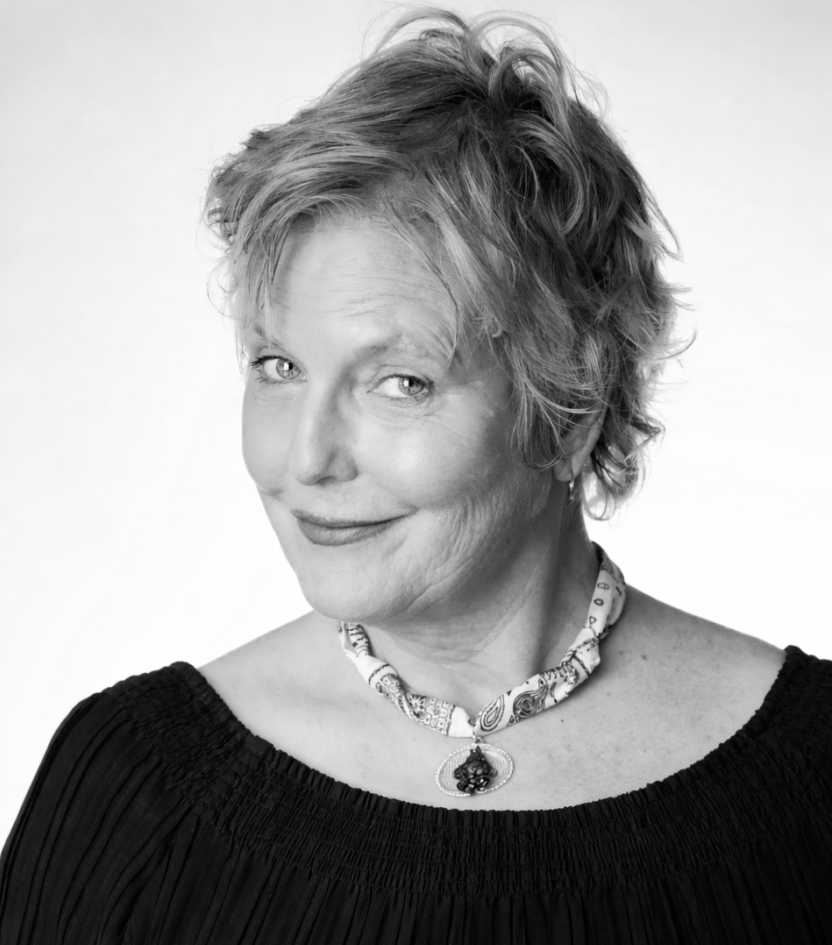
Founder & President-PLA Media / Author / Businesswoman / Inspirational Speaker / Philanthropist
Pamela Lewis, a native of upstate New York, is a graduate of Wells College with a B.A. in Economics/Marketing and a minor in French and Communications. Lewis spent a year in Paris studying at Center of Overseas Undergraduate Program (COUP) affiliated with The Sorbonne University. In New York City, she worked at MS Magazine and did additional graduate course work at Fordham University, The New York School for Social Research, and The Publicity Club of New York. From 1980 to 1984, Lewis was part of the original publicity/marketing team that launched MTV to the world, and also worked with MTV’s sister cable channels Nickelodeon, The Movie Channel, and The Arts & Entertainment Network. In 1984, she left Warner Amex Satellite Entertainment Company (WASEC), a joint venture of Warner Communications and American Express, with the position of National Media Director.
RCA Records recruited Lewis while still in her early 20’s and relocated her from New York City to Nashville to help shape the careers of top country stars such as Dolly Parton, Kenny Rogers, The Judds, and Alabama. She left RCA, starting her own PR/marketing + artist development agency working with clients such as MCA Records, Steve Earle, Lyle Lovett, Patty Loveless, and the CMA. Lewis hired a team and started award-winning PLA Media in 1985.


