

 Amazon Music
 Apple Podcasts
 Audacy
 Castbox
 Castro
 Deezer
 Goodpods
 iHeartRadio
 Pandora
 RSS Feed
 PlayerFM
 PocketCasts
 Podchaser
 Overcast
 Soundcloud
 Spotify
 TuneIn
 YouTube
 Small Pieces, Big Impact: Prokofiev's Radical Miniatures
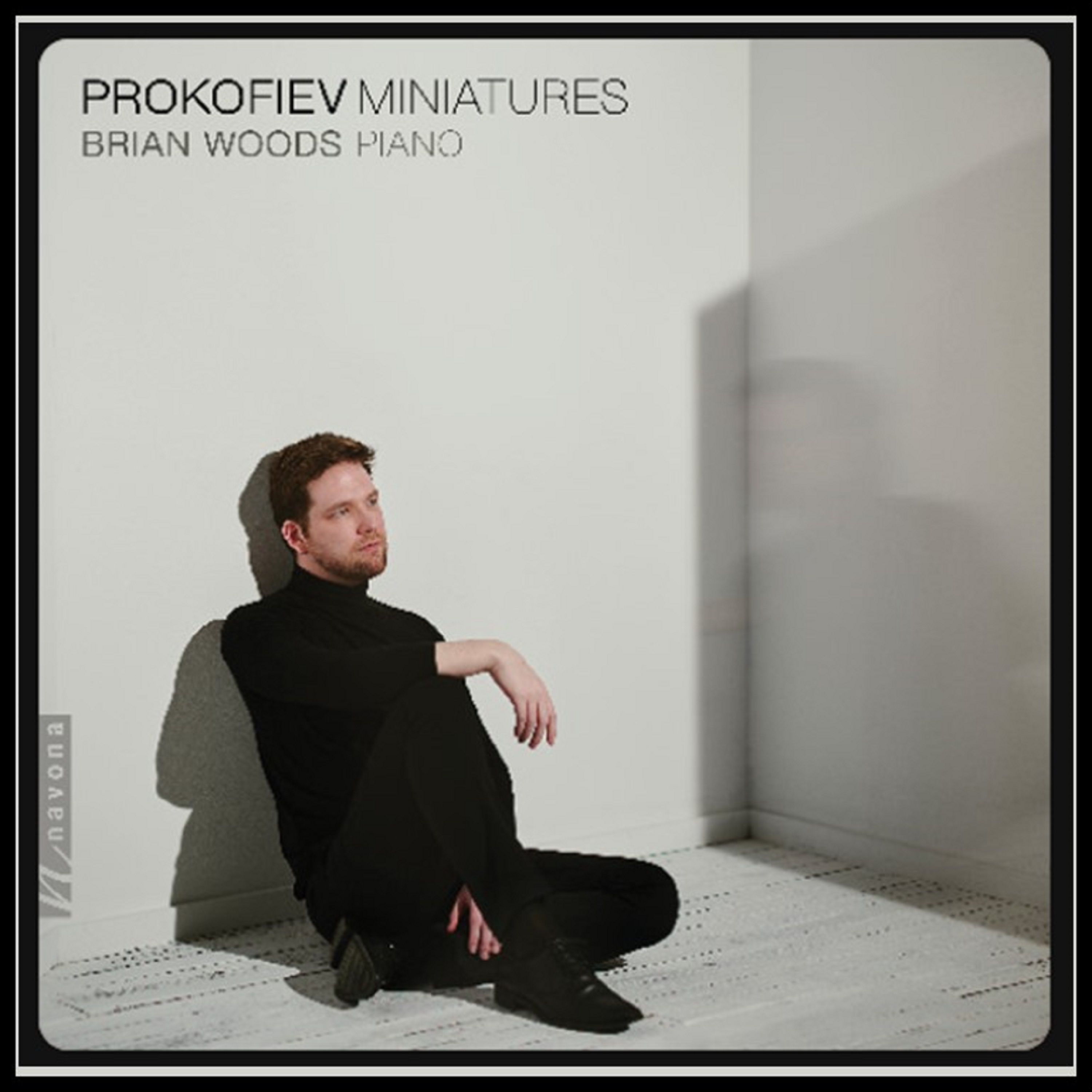
The phenomenal pianist Brian Woods is here to chat about his new album, "Prokofiev’s Radical Miniatures," which will be released July 24th with a single arriving the first week of July. These piano pieces are short and sweet (perfect for those with attention spans shorter than a TikTok video) with no track longer than three minutes, including some around 30 seconds! Woods explains his approach to telling a story in his performances and his role as classical music director at the World Chess Hall of Fame.
This episode is a delightful glance into the world of classical music as we sit down with the charismatic pianist Brian Woods. We celebrate the genius of Sergei Prokofiev, particularly focusing on his lesser-known works. Brian’s upcoming album, 'Radical Miniatures,' serves as the backdrop for our lively discussion.
Brian reveals how he’s taken these short pieces, which clock in at under three minutes each, and turned them into a collection that’s as engaging as it is innovative. Brian shares his excitement about the creative process behind the album, detailing how Prokofiev’s ability to convey complex emotions in such brief compositions resonates with today’s fast-paced world. He highlights how these pieces can capture audiences’ attention in a way that longer works sometimes struggle to do.
We also discuss the significance of stage presence, with Brian emphasizing the importance of storytelling in music and how he aims to make classical performances feel less intimidating and more accessible to everyone. Listeners are treated to a rich tapestry of insights about both the music and the musician. Brian’s infectious enthusiasm shines through as he discusses his artistic journey, from his early days to his current role as a music director at the World Chess Hall of Fame. His passion for connecting with audiences is palpable, and it’s clear that he sees music as a living, breathing entity that thrives on interaction and engagement. This episode is a refreshing reminder of how classical music can be both profound and approachable, making it a delightful listen for music lovers and casual listeners alike.
[00:00] Prokofiev Teaser
[00:38] Coffee Order Chaos
[01:33] Piano Quote
[02:29] Meet Pianist Brian Woods
[04:02] Dazzling Stage Presence
[08:24] Why Prokofiev Miniatures
[11:10] Short Pieces For Short Attention
[12:57] Album Success And Creating
[15:07] Prokofiev, The Rebel
[16:27] Visions Fugitives Preview
[20:42] Break And Sponsor Messages
[22:51] Album Release Details
[23:27] CDs Vinyl And Improvising
[24:35] Recovering Onstage Mistakes
[25:51] Recording Without Fear
[27:20] Tales Of Grandmother
[32:17] Sarcasms Explained
[38:01] Politics Behind The Music
[39:49] Chess Hall Concert Series
[49:04] Tickets And Farewell
Takeaways:
- Prokofiev's talent for short pieces showcases his genius in brevity and emotional impact.
- The podcast dives deep into Brian Woods' journey, revealing how personal connections shaped his career trajectory.
- Listeners learn about the importance of stage presence and how it enhances the overall concert experience for the audience.
- Brian Woods' new album, featuring Prokofiev's radical miniatures, is set to challenge traditional classical music norms and attract younger audiences.
- The conversation highlights the unique blend of classical music and storytelling that keeps audiences engaged and entertained.
- Exploring how Prokofiev pushed musical boundaries reflects the ongoing evolution of classical music in contemporary society.
- Home Page - Brian Woods Pianist
- YouTube - Brian Woods
- Instagram - Brian Woods
- Facebook - Brian Woods
This is Season 9! For more episodes, go to stlintune.com
#brianwoods #brianwoodspianist #prokofiev #pianomusic #classicalmusic #worldchesshalloffame #chess
Thank you for listening. Please take time to rate us on Apple podcasts,
Podchaser, or your favorite podcast platform.
00:00 - Untitled
00:27 - Introduction to St. Louis in Tune
01:45 - The Art of Performance: Engaging Audiences with Music
08:24 - Exploring Prokofiev's Radical Miniatures
16:27 - Exploring Prokofiev's Short Forms
20:42 - Exploring New Musical Directions
27:26 - Discovering Musical Narratives
28:25 - Exploring Prokofiev's Musical Journey
38:11 - The Intersection of Music and Politics
44:19 - The Impact of Concerts on the Community
47:51 - The Journey of a Musician
Arnold
He's known for his ballet music, Romeo and Juliet. How about Peter and the Wolf? The opera, the Love for the three Oranges.But we're going to talk about some miniature pieces from this composer with our special guest today on St. Louis in Tune.Welcome to St. Louis in tune and thank you for joining us for fresh perspectives on issues and events with experts, community leaders and everyday people who make a difference in shaping our society and world. I'm Arnold Stricker along with co host Mark Langston.And Mark is just so thirsty for this coffee that we both missed this morning from one of the big chains. I'm just going to go ahead and say it.I went in there and 16 minutes later, it still wasn't ready for their brand new whatever it's called and said I need to go.
Mark
We got a call just about 10 minutes ago that said it's ready. That's been a couple hours now.
Arnold
I don't mind being patient for things.
Mark
But what it kills me though when you've ordered and then people come in.
Arnold
After you ordered and they did and.
Mark
They're getting their stuff.
Arnold
Three people did.
Mark
They're getting their stuff. They're still standing there going, did you lose it?
Arnold
My order got lost.
Mark
I know. How do they lose an order?
Arnold
I don't know.
Mark
I guess I need to do that job and then I'd figure it out. Maybe.
Arnold
Probably.
Mark
Yeah. Maybe not.
Arnold
So, folks, we're glad that you joined us today and hope that you have a great cup of coffee handy. We want to thank our sponsor, Better Rate Mortgage for their support of the show.You can listen to previous shows@stlintune.com where you can follow us and also leave a review on our website. We've got our thought to ponder today and it's about pianos, Mark.
Mark
Figure I love pianos. Yeah.
Arnold
The piano keys are black and white, but they sound like a million colors in your mind.
Brian
Wow.
Arnold
Very nice, Maria Christina Mena.
Mark
Good job.
Arnold
The piano keys are black and white, but they sound like a million colors in your mind.
Mark
I love that. I've got an old Baldwin piano at my house.
Arnold
An upright.
Mark
An upright.
Arnold
Okay. Those are the heavy dudes.
Mark
They are the heavy dudes. But it's in tune.
Arnold
Just like St. Louis kind of in tune. In tune.
Mark
Yeah. It's in tune.
Arnold
Yeah. And our piano thought for the day is in honor of our guest today.American pianist Brian woods has emerged as a compelling artist of international acclaim with his expressive interpretation and dazzling stage presence. I've got to ask him about that. He has a growing audience across the globe and a rapidly expanding discography.His past seasons have included solo recitals In Toronto, Washington, D.C. nashville, San Diego, St. Louis, Kansas City, Chicago, and Dublin, Ireland. Hailed as representing the next generation of professional touring artists, which is really big.He also serves as music director for classical programming at the World Chess hall of Fame and galleries in St. Louis, which, by the way, is one of the most in demand chamber music venues in the region. And you can learn more about Brian at Brian Wood's. Pianist Brian, welcome back to St. Louis. In tune, of course.
Brian
Thank you for having me.
Arnold
Happy to be here. It's. It's great to have you back. And we're going to roll out the studio Steinway here in a moment, folks, so he can play that I'm Ready.It's one of the most expensive Steinways in. In a studio, radio studio. By the way, can I say that.
Mark
I've listened to Brian's music before and he is the epitome. I don't know if that's the right word, but. Tickling the ivories. Brian is great at tickling the ivories.
Arnold
He's very good.
Mark
He makes the whole concept of tickling the ivories. I just had to get that in.
Brian
Because I appreciate that.
Mark
It's amazing how it just kind of bounces around and dances. Yeah, we're dances on the ivory.
Arnold
We're going to get into that.
Mark
That's what it is.
Arnold
Yeah. When we talk about these pieces with Sergey Prokofiev that the miniatures that he's going to be releasing in a new album.But my first question is dazzling stage presence. Do you do juggling while you're playing?
Brian
Yeah, I tell a few jokes and I. They put up a brick wall and I have a microphone and I work the crowd a little bit. No, it's. I being from St. Louis.St. Louis is a theater town and I grew up in a lot of theater and my parents took me to the muny and to other art forms, symphony, operas. Growing up, it was a big thing in my family just to see art happening in different genres. I always loved theater growing up.I loved musical theater and plays, and when I was a kid, I wrote plays. So it something that I think telling a story was always very important to me in terms of the music that I was drawn to.So even I like to joke that I'm a bit of a theater kid trapped in a classical pianist's body, because even though I play this music that doesn't have words and it doesn't have an explicit story to it, I'm always on the hunt for that narrative in the music. When I present things. I don't think I've given a recital where I haven't told a story involving the music in probably 10 or 15 years at this point.It's really important to me when I perform that people understand what's happening in the music, but also just giving sort of an animated idea of what's happening in the music. I just don't like people to feel dumb when they're listening to classical music. Stage presence is.I think a lot of musicians tend to forget that it's as much a visual medium as it is. And listening to what's happening. Live performance, I like to try to, I guess, ham it up is the proper term for.
Arnold
And that relaxes you for the performance.
Brian
Oh, yeah, absolutely. I always say, if I'm having fun, you're having fun.
Arnold
Exactly.
Brian
So it's one of those things where I. My hardest to. Even. I was gonna say, even if I'm nervous about.Especially if I'm nervous about something, I try to enjoy myself as best I can because it means that that's translating to an audience. And people enjoy themselves even if they have no idea what's happening in the music.A lot of times people come up to me and they say, I've never heard a piece of classical music before. Or I've never heard one live, but maybe they heard it recordings or on Looney Tunes or something.But they never heard a piece of classical music live before. And I think because of having that sort of warmth to a stage presence, they can often make it feel a little bit less threatening.
Arnold
Yeah. Giving a little background about what a piece is about is important. And then injecting a little bit of humor really helps the audience in a relation.You're building a relationship, a visual, but also an auditory relationship. And you can tell when a performer is having fun. And you can tell when a performer is like, I'm kind of drudging this out. It's long, but you can.And audiences will sit on the edge of their seat when they're really excited about something. And you probably see that all the time.
Brian
Oh, absolutely. I get what I call performance tunnel vision. When I am really enjoying a performance, I can't take my eyes of what's happening.Everything around me blurs away. I'm so zeroed in on the performance, and there's only a few performances, and I probably couldn't tell them off the top of my head. But there's been.I know when it's happening, you can feel it. Yeah.And so it's one of those things where I try to give those kinds of performances for people, and it doesn't matter in what venue it is I try to do. If I'm playing in. On. On one of the coasts, I'm playing in, like, LA or something, or I'm playing in New York or wherever.It's where people know this music maybe a little bit better because they've. They're coming to a classical concert, they know the music.If I'm playing on a coast or if I'm playing, I've played in Keokuk, Iowa, and these Midwest smaller communities where I'm not sure people are gonna know or appreciate the music very much. People come up to me and they're just.They're crying after these concerts because they have generally never heard this music before or have not heard it in a long time. And then secondly, they connect to it and they relate to it just as anyone else who knows more about the music does.So it's important to me that people have that emotional response to something and feel the freedom to have that emotional response to something. I think a lot of times in classical music, there's a lot of rules and there's a lot of don't clap here, and you only.You have to stay quiet for this, and you have to know this and know that. And so I. I want people to feel like they can have the response that they're just going to naturally have to the music.
Arnold
That's really important, Mark, because if you go there and it's. This is stuffy, or if you go there and you can kind of.You can feel the electricity in the air, you know, something really great is going to be happening, and you're going to hear something really wonderful.
Mark
Brian's not a stuffy guy, though.
Arnold
No, he isn't, though.
Brian
Depends on how hot it is.
Mark
That's probably true.
Arnold
So this new release, you're doing Prokofiev's Radical Miniatures, and it's an album that's going to be released July 24th. Why these? I guess why Prokofiev and why these miniatures? Cause there's three. Three groups.
Mark
Yeah.
Brian
Yeah. This is not a composer. I thought I would be recording an album of his music.If you had asked me, even a couple years ago, I had played a good amount of Prokofiev, but he, again, he wasn't someone that I really had made my focus. A big moment for me, professionally and artistically happened two years ago.I had become good friends with, with Stephanie Childress, who was the assistant conductor for the St. Louis Symphony. And she was one of the youngest, if not, I won't say she was the youngest, but one of the youngest assistant conductors they've ever had.She was in her early 20s when she had the position, and I think I met her when she was maybe 23 or 24 and we really hit it off personally. We just. She'd become one of my closest friends and her career is just skyrocketing.She is, after she left her role here in St. Louis, she's conducting all over the globe. She conducts in Asia, she conducts all over Europe, she conducts everywhere.One of the orchestras in the United States that she works with is the North Carolina Symphony in Raleigh. And she called me in January of 2024 and she said, hey, would you want to play a Prokofiev concerto with this major orchestra in Raleigh?And I've been playing with a lot of, I would say more regional orchestras. And this was really my first major orchestra that I've been invited to play with because of this relationship I had with my friend.Of course I said yes. I was not saying no. So I played for the.
Arnold
Yes.
Brian
Yeah, exactly. So I played the. I played three performances in.In November of 24, we did three performances of Prokofiev's Piano Concerto Number One, which is an odd duck of a piece even for him. Normally, concertos are these 30 minute, several, what we call movements, several large sections that sort of are self contained.And the first concerto he wrote when he was still in school, he was like 17 or something, and there was a piano competition at the school and he wasn't feeling the most confident in him performing other people's music. So he said, I'll write something for myself so they can't tell if I'm messing up or not.
Mark
I like, I'll write a brand new piece that works.
Brian
So he wrote this really flashy, really difficult one movement piece. It's only about 15 minutes long and there's no, there's really no breaks for the whole piece.And it's just, it's just a total tour de force, a ton to work on. Anyway, all this to say the concerts went great and I didn't think of myself as this big Prokofiev player.And then diving into that piece really just woke me up to how much this music really grabs me. And I'm a big proponent of if you feel inspired by something, you just have to keep following it because we don't always feel the most inspired.We don't Always feel that inspired about something. So when I do feel that inspired about something, I'm like, man, I gotta run after this and pursue it and see how it goes.And so I was digging into a lot of Procrafio's music and I noticed that he was really successful at these short form pieces. And it was an interesting project because I find that one of classical music's. I love, obviously what I do.But one of classical music's, I think downsides for especially for newcomers is a lot of the music is very long and you're expecting people often to go to a concert and sit still for 45 minutes during this long symphony or whatever. And we're just not used to that. I'll even say, for on my own part, this is my art form, this is what I love.And I'll be sitting conscious sometimes and I feel myself reaching for my phone because I'm just my attention span. That's where it's gotten to at this point. I'm so used to just being able to look at something or look at things, TV or whatever it is.So I thought, what a cool. I don't know if it's a social experiment or if it's just an artistic project to pursue an album that is going to be.Not one track on this album is longer than three minutes. And so it was really. Which is, you know, that's a length of a pop song.
Mark
Yeah.
Brian
Although the pop songs are. Even if you check the pop songs nowadays, they're getting much shorter too. They're normally around 2ish minutes now, which. That's my big.My shake my fist at the sky complaint about music. It's too short. How are you supposed to get anything that's too short?
Mark
Just getting into it.
Brian
Exactly. But it's interesting. These pieces, some of these pieces on this album are maybe 30 seconds. What they're really short. They're only maybe a page long.And Prokofiev was really adept at this sort of writing. These really immediate characters. He just from the first two bars you have a sense of what the piece is.And a lot of composers, you can praise them for a lot of things. That was not Mahler's gift, for instance. They were the masters of these long narratives, these large architectural projects.And Barghofiev was really good at these short forms. So I was so interested in that project.My first album I released in 2024, as well as I had this performance at the North Carolina Symphony and I played a lot of larger pieces. I played these Chopin ballades which are like 10 minutes long, huge tour de forces of the piano repertoire, very famous pieces.Somehow I pulled that off. They really. This album that I made was called Wanderings is what I called it. And I had never recorded an album before. I had no idea what I was doing.I got a good recording engineer and I had a decent label that I was working with. And I just said, let's just put something out into the universe and just see what happened. I just put it out there.And the Apple music, the Best in New Classical playlist. I was on that playlist for six months after that, and I got all this play globally off this album. So I thought.I never thought of myself as a recording artist, but here I am on my second album and I'm really enjoying it and the explorations that you can do on an album. And yeah, that's how it came about. It's one of those things where I.People ask me all the time, even artists who are arguably having larger careers than I am at this point will say, oh, how are you getting all these albums done? Are you just. Are these passion projects of yours or something? And I say all the time, it sounds trivial, but my job is to create. That's my job.So when I'm thinking about next steps for myself, my question is always, what's the next thing I'm creating? And even if it's a recording of music that other people have recorded in the past, that's a new creation because it's mine.And I'm always just happy to explore new things.And we're very lucky in Missouri and St. Louis that we have places to get access to grant money, regional Arts Commission, Missouri Arts Council, and things like that. I've been very blessed to have support to put on these projects.So here I am with my second studio album, and I couldn't be happier to be putting another big project out into the world like this.
Arnold
Let's break these down a little bit, Brian, because this was. They were written. There's three sections, and one is called Visions Fugitive. Right. Vision. Fugitive, yeah.Then there's a Tales of Grandmother, and then there is Sarcasms. And these were all written like sarcasm Grandmother's 1918. And visions was. Which was early in his career.
Brian
They're all early in his career. And you know what's funny about Prokofiev is he. He's one of those composers who.A lot of the composers like Beethoven, Brahms, these big names that we know, they studied with a teacher, and then they just had this brilliance that they went on to. Prokofi was one of the first major composers that we know of that really came out of the school system. He was a conservatory in St. Petersburg.And he just. I don't know how else to put this. He was an ass in terms of how his character was. He has a set of diaries that were published.I'm not sure he wanted them to be, but I remember I was such a nerd. I read these pieces. I read these diaries when I was like 19 or something.And it's funny that I ended up working at the World Chess hall of Fame because Prokofier was a major chess player. He was a professional. He could have. That could have been his career path as a famous chess player. And. But he was just.He loved taking down his friends in chess. He kept a log of all the girls at his school, which ones he found attractive.And he would sometimes finish the diary entries with if one of them made him angry or something. I crossed Olga off the list today, or, you know, whatever it is. And so he was. Yeah, so he's just. He was a cheeky guy.And so he really liked bucking the norm of what was expected of him. And he did all the normal things. He wrote the sonatas and the concertos and things, but he.I think he really reveled in pushing up against what was of him. The visions Fugitive are. They were the first set that I was really attracted to in putting this project together.And they're a set of 20 short, really short pieces. Some of them, like I said, are only about 30 seconds long. And they were. He wrote these pieces and I think the name came from. Someone said they.They were just these fleeting, fleeting visions or fleeting ideas. They come for a moment and they kind of hold you captive, keeping you fugitive, and then. And then they fly away.So it's not the kind of thing where you're supposed to. To expect some large story from what's happening. So there's 20 of those and there's.They range from absolutely gorgeous to just incredibly biting and just ironic in how they.
Arnold
Let's get a little. Little flavor here, Mark. Let's do number. Now we're going to give you another flavor.This is in that same section of Fugitive Visions or visions of Fugitive.
Brian
Whatever works.
Arnold
How about number seven,.
Mark
Sam?
Arnold
So when you're. When you got these out, did you just go 1 through 21 or did you like. Wow, I really like that one.
Brian
And yeah, I don't know. There's something icy about some of this music. It's gripping and it's how spare the writing is.I've played all these Chopin pieces and Rachmaninoff and Brahms and they're so thick, you know, so many notes. And I was just so struck by how little there is sometimes to this music.But how much he accomplishes and how much it grabs you from just very little arpeggiated chords you heard in that last one. There's very little really going on. It's very plaintive and simple. But it's just. It's as the kids say, it's such a vibe.It's really like I just felt so grabbed by this music in a way that. And maybe for me, because it's such a left turn from what I normally play as I. As I was.
Arnold
Yeah. I was trying to say because you're going from all of these notes to like. It's very concise.
Brian
Yeah. I play a lot of really thick music in terms of.I play a lot of Rachmaninoff, a lot of Chopin, a lot of Beethoven, a lot of music that is just full of notes. And so it was. And there's some of these that are. But these ones that I've. I like to single out for people to listen to.It's so different from we're used to hearing. So those are the visions. Fugitive. And there's so much to. Every one of the 20 is completely different.
Arnold
Yes.
Brian
So cool. You can get so much different. I just think in the streaming world of the current way music. That way that music is digested in today's society. I was.I'm really interested to see how this does. Because a lot of times with classical music, like I said, the tracks are so long and this gives an opportunity to.For people to really jump around and get a sense of so many different kinds of music.
Arnold
Oh yeah.
Brian
With a short little bite sized. So the last one we had just listened to is actually the single from the album that'll be out at the first. First week in July. Okay.And I'm really interested to see Pitoresco Pitteresco. Yeah. Picturesque in the way that it's. And he likes these funny words for some of his pieces.But speaking of funny words, the second set on the album, the Tales of an Old Grandmother was something that I actually was not familiar with before. I was investigating some repertoire for this album.
Arnold
And we're going to come back and talk about the Tales of Grandmother after this break. This is Arnold Stricker with Mark Langston of St. Louis and Tune Don't Go away because you need to find out what Grandma's talking about.As strange as it may sound, at Better Rate Mortgage we love talking to people about mortgages. Everyone in St. Louis promises a better mortgage rate. But what you really need to turn that perfect house into your dream home is a better mortgage.At Better Rate Mortgage, we open the door to so much more. So where are you in the home buying process? Researching, maybe wondering how much you can afford? House hunting?Get a pre approval from Better Rate Mortgage Ready to Buy. Our team is ready to make your mortgage process fast and easy.Whether you're purchasing your first home or taking cash out to make your dream home even dreamier, our door is open. Come on in and get started. Today we'll show you how.Call Sean directly at 314-375-3293 or online@betterratemortgage.com Remember, at Better Rate Mortgage, a better rate is just the beginning. Betterratemortgage.com MLS ID 2401335 and equal housing.
Brian
Lender.
Arnold
This is Arnold Stricker of St. Louis in tune on behalf of the Dred Scott Heritage Foundation. In 1857, the Dred Scott Scott decision was a major legal event and catalyst that contributed to the Civil War.The decision declared that Dred Scott could not be free because he was not a citizen.The 14th Amendment, also called the Dred Scott Amendment, granted citizenship to all born or naturalized here in our country and was intended to overturn the US Supreme Court decision on July 9, 1868.The Dred Scott Heritage foundation is requesting a commemorative stamp to be issued from the US Postal Service to recognize and remember the heritage of this amendment by issuing a stamp with the likeness of the man Dred Scott. But we need your support and the support of thousands of people who would like to see this happen.To achieve this goal, we ask you to download, sign and share the one page petition with others. To find the petition, please go to dredscottlives.org and click on the Dred Scott Petition drive on the right side of the page.On behalf of the Dred Scott Heritage foundation, this has been Arnold Stricker of St. Louis in Tune. Welcome back to St. Louis in Tune. This is Arnold Strucker with Mark Langston.We're talking to Brian woods and this is about his new album that he's putting out. Release date July 24th. It explores Prokofiev's radical miniatures and it's a new Nirvana recording.And again, the Release date is July 24th and this will be available the single or the whole album?
Brian
Brian the single I Believe the single will be available on streaming the first week of July, but on the 24th, there will be available all major streaming platforms. And you can.You can actually Pre order a CD at this point now on my website in BrianWoodspianist.com so if you're looking for a CD, anyone interested in those old things? Whenever people tell me that now, they say, I guess if you want to press a cd, you can. And I'm thinking, what? What are you talking about?Of course I want a CD of this. I want something to hold.
Arnold
Somebody ever asked for a jewel box.
Mark
Where you can look at.
Arnold
I want mine on an eight track.
Brian
Yeah, exactly. And then the vinyl's back. Now people.
Arnold
Oh, yeah.
Brian
People are always asking me if I'm going to make a vinyl, these things. And I'm like, do you want a vinyl on this? And they say. They said, yeah. I'm like, okay.
Mark
I like the big vinyl sleeves.
Brian
Yeah, it's got a lot of info on it.
Arnold
Read the notes.
Brian
Yeah, yeah, yeah.
Mark
It's fun to do some of that.
Arnold
You can unfold that stuff.
Mark
Is Brian woods writing any of your own pieces?
Brian
I always joke that I have enough trouble playing what's already existing. Okay. But it's. I've done a lot. I used to do a lot of improvisations on, like, existing melodies and things, like Broadway tunes and stuff like that.That's normally something for parties, things.
Mark
I got it. Okay, great.
Brian
I grew up playing in a lot of church settings. And a lot of times what's needed for church settings is just filling time. It's taken longer to walk down the aisle.So keep playing Brian Philip Fillian music. So I got really good at doing anything to fill up time.So I will say that's actually been really useful for me in memorizing music and in just having a performing Persona in general. A lot of times you get real. Something always goes wrong in a performance. Something. And it's always the last thing you thought it would be.It's always the spot that you've practiced 8 million times because you think, man, this is just the hardest spot in the piece. And this is definitely gonna go wrong. And I can't have it go wrong. And that's the spot that always goes flawlessly.And then it's always the spots that you're like, this is. I don't even think about this. This is the easiest part in the piece.And that is always the spot that you're like, oh, no, that's the spot that came off the rails a little bit. I always Tell. People always tell me. They go, oh, I couldn't tell that. No one could really tell that anything happened in the performance.And I was like, that's good.
Arnold
That is good.
Brian
Yeah. I try to. As I. We talked about at the beginning about stage presence.A lot of it is we're salesmen as much as anything else in terms of what's happening up on stage. We're selling. We're selling a performance to people. And I try to. A lot of musicians tend to. As a reflex.They tend to like wince or something if something goes wrong.
Arnold
And a live performance different than listening to a recorded performance. You can really be excited about a live performance and you go back maybe and listen to a recording of it and you're like, whoa.
Mark
Yeah.
Brian
I used to be so afraid of recording because when I did it for a lot of competitions when I was in college, you had to really record everything all the way through. No edits or anything. And it would always happen. I'd get to the end of my 20 minute piece and I was just flawless.And I get to the very end and I would screw up right at the end. I gotta do it all over again. And so it was just like the most nerve wracking experiences.And so I've really been developing a much more healthy relationship with recording from the albums that I've been doing. And I work with a great recording engineer named Nathan Hershey who is. He's got a very interesting background.He used to work for Nelly and now he does classical piano recording with me. And he just like. He's just the most positive. Just supported the whole time I'm recording. Every take I do. He's. That sounded awesome.Everything is just so positive. And so I. I've just really been redeveloping my relationship with recording.
Arnold
But an artist would need that in a recording setting because there's a lot of pressure. There's time constraints.
Brian
Yeah.
Arnold
And I'm sure that they would want you to be as relaxed or any other artist as possible.
Brian
And I'm hard enough on myself.
Arnold
Yeah.
Brian
It's. I. Even now I'll listen back to things on the album and I'm like, oh man, I wish that could have been whatever. But it's just part of the gig. It's.I don't get any better unless I am listening for flaws constantly my playing. So it's. That's the point. But it helps to have someone else in the room who's a little more positive to keep things moving.
Mark
Critiquing. Right.
Arnold
So. Tales of an Old Grandmother.
Mark
Yeah.
Arnold
Interesting.
Brian
I know. What a funny name for pieces.I discovered these pieces through a cellist who I invited to play on the series that I run at the World Chess hall of Fame. And he was like, oh, you really should play these pieces.And I'm like, the name sounds stupid, honestly, Like, I didn't really know what to make of it.And I listened to the pieces and they were just so full of character and life and just this, again, this sense of narrative that I'm talking about that I'm always so interested in music. These pieces are full of that. My understanding of where the title comes from is that he.This is a piece that he wrote just as he was moving from what was becoming the Soviet Union to the United States. And he was really interested in something that carried that sort of old Russia, Mother Russia, Mother Russia kind of style to it over to the States.But all these pieces are probably the most accessible to listen to of the album, because I think I don't want to psychoanalyze him too much, but I wonder if he was just thinking, I'm coming to the States and I'm going to be bringing over this music. They may not be familiar with my style. I want to write something that might be easy to grab onto. And so this is very much.If Peter and the Wolf or any of that sort of very kind of narrational style of Prokofiev's music. This music is really up that alley. It sounds a lot like that kind of ballet music. And these are very short as well.I think this one has, I think, the longest one on the album, maybe three minutes or so. But they were just really refreshing to study because we're used to Prokofiev being in the classical world. He's.Angst is the word we often associate with his music. It's very like biting music. And this has some of that, but it's very. Just enjoyable to listen to.
Arnold
Let's try 21 mark. You just see Grandma walking down the street with her babushka?
Brian
Yeah, absolutely.
Arnold
You know the bags of bread.
Brian
Yeah. It's just got that old, old Russian world sort of style to it. And again, this is not music that I had encountered before looking at this album.And so it was a perfect third set because the visions Fugitive are. Many of them are very meditative. And then the sarcasms are. As we'll get to. The sarcasms are very. Can be very aggressive.The tales of the old grandmother were just perfect. It was one of those things where we were talking a little bit during the break, I didn't really know what this was going to end up sounding like.And this is a great example of something where I just decided to go for it and see how it was going to work together. And it really came together in a really beautiful way.
Arnold
The fact that you put them all together really gives a nice flavor of what he's trying to do. Even though they're written within the same period of time, like four years, still, somebody can.And I think that was very interesting, what you mentioned. When he came to the States, he wanted. He didn't want to kind of put people off from this stuff.
Brian
Yeah, and he was a much of a. Prokofiev was as much of a touring pianist as he was a composer. A lot of these guys, especially the guys who did both performing and composing, they.They always thought of performing as a bit of a lower endeavor than composing. But when he came to the States, that's how a lot of them made a lot of their money, was doing these concert tours.A lot of his music that I'm sure he thought of as the most valuable is probably not the music that people wanted to hear the most from him. It's the same with Rachmaninoff.He has that famous C sharp minor prelude that he reportedly got so tired of playing because people wanted to hear it over and over again. And he said, oh, don't you want to hear this other piece that I wrote? They go, no, no, play the trail it again. Come on, play it again. Play it again.
Arnold
For that I paid my money to hear that.
Brian
Yeah, play Freebird. It's the same thing. And so, yeah, it was the. His example of that. So it's.It's like these guys, they often write music to put food on the table, and a lot of times it was as much in pursuit of just their work. It's like I was talking about that creating is my job, and I'm very privileged that it is. And I don't take that for granted.But at the same time, there's often projects that you do just, okay, this is to put some food on the table. And then there's other projects that you do for the love of it.And I've been very lucky that I've been able to cross those endeavors many times in my life.
Arnold
And it's fun, Mark, to have somebody of Brian's caliber come into the studio and talk about these things, because with you get it, you kind of get a glimpse behind the curtain a little bit of what he's thinking when he's trying to approach these pieces and put these things together. And I hope that the. The studio Steinway is filling your needs here.
Brian
Yeah.
Arnold
We've got the third group, Sarcasms. That's. Are they very sarcastic?
Brian
Yeah, I was. I always say that they're very well suited for millennials. Sarcasms in our. Is baked into our DNA. But it's. Thank you. It's one of those.I actually studied these pieces when I was young, so I learned these pieces first when I was, I think, 15.
Arnold
Okay.
Brian
And they're very difficult to play. And these, I think, of the sets are probably the most aggressive. And he wrote.These pieces were really successful during his time with the modernist crowd because these are the most out there harmonically. The third piece, I think that's the one that we're about to listen to. The precipitoississimo 127 27. Maybe we can listen to it and I'll talk about it.
Arnold
Yeah, that sounds good. Mark.
Brian
Sa.
Arnold
I love that at the end.
Brian
So you would not know this by listening to this piece. Maybe you would know this. You can maybe guess. So this piece is written in two different keys.The right hand is in one key and the left hand's in another key. They're actually written in two different. Completely different keys, I believe.
Arnold
Really?
Brian
Yeah. So it's.
Arnold
How weird is that?
Brian
It's weird. You don't see that anywhere.
Arnold
No.
Brian
And I remember when I was a kid, I was like, what is this? I mean, it was just like, what are you trying to do to me as a teenager? As a teenager. It's so rock and roll.
Arnold
Right.
Brian
It's so cool. You're so used to Mozart and then you hear that and you're like, yeah. So it's. It's radical. Teenagers. I loved playing this music as a kid.And Prokofi and Shostakovich. It's this really angsty music. And so I played all this music as a kid, and it just.I just think he really just thought, let's just go there with this music. And this music really, I think, captures his sort of cheeky personality that he has. And even the word sarcasms to describe them. There.There's a lot of just thumbing the nose at people in this music. And. But I will say the middle section of that piece he writes.The Italian word is escaping me, but he writes something that I think he uses the word sobbing to describe the middle of the piece. There is dramatic importance. The music, not all just fun and games, but it's. It's written in such a style. That is unfamiliar to so many people.But I just. I love little things like that little stinger at the end and stuff. It's just you would.So many things that you would just never expect to hear in this music.And I think that's what's so exciting about it for especially even classical music fans that are used to encountering this music or music like this even. They'll hear this and they're like, what is going on in this music? And I said, there's.It's very structured, it's very ordered, but it's just sometimes in a language that Renault always familiar with. So I'm always happy to show it to people.
Arnold
And that was. Those sarcasms were the earlier ones that he wrote.He wrote that first, and then he wrote the Visions a Fugitive, and then he wrote the Tales of an Older Grandmother. So it's interesting that that's 114 years, 112 years old, that. Those pieces that we. That piece we just heard.
Brian
Yeah.
Arnold
It's crazy that where he went with that and what was going on in his life. Maybe he was just like, I got to get this out of my.
Brian
I think he really. It's very funny with these composers that they. It's hard to describe.I think a lot of it comes down to a big egotism sometimes that they feel like they have this weight of, I have to change the world. They think that they're going to do something super important.But he was always drawn to this, just like I said in the past, bucking tradition and pushing the norms of what was acceptable harmonically.I don't think he was the only composer experimenting with this music, but I think combined with him being such an accomplished pianist that he was able to comprehend these technical challenges in addition to the harmonic language, that he was pushing the envelope on these things.I think that's why he's been so successful and still stays in the canon of classical composers, because there were plenty of Russians writing, you know, difficult music at that time.But I think because he combined that daring harmonic language with the technique that he was able to do because he was such an accomplished pianist, I think putting those two things together is really ensure the longevity of his music.
Arnold
It makes you wonder with what was going on because the revolution was just a few years after this and what was building politically in the country or whether he was detached from that.
Brian
Well, it's funny because the politics of the Soviet Union, they were famously not interested in music like this. Wanted all the music to be really, quote, unquote, uplifting. Dmitri Shostakovich, famously in the Soviet Union, really struggled with.He always had a suitcase ready to go in case they came for him as he was writing often music that they did not approve of, and that was a capital offense to them.So it was Prokofiev, I think, had a bit of an easier relationship with the Soviet Union, and they let him travel and he lived in the States for a while, and then he lived in Paris. This was.I hope this isn't something that we ever have to deal with in this country, but it's one of those things where, you know, imagine that being something as an artist that you had to think, oh, I can't write. Not even lyrics that were offensive, but sounds that the government found offensive.
Mark
A weird thing. Yeah, yeah, yeah.
Brian
Isn't that crazy? So it's just that there's not just.
Mark
Crazy's a good way.
Brian
Not just artistic daring, but I think also just personal and political daring that is in this music. That, again, it's so cool because there's no written story. There's not in the music.
Mark
It's.
Brian
I wanted it to mean this. They don't often write that. Sometimes they do.But one of my favorite college professors used to always say, but even if they do say that's what it's about, why should we believe them? It's what we experience. We hear this music, the discomfort sometimes we hear in this music. A lot of people are like, I don't want to listen to that.And I'm like, I get not wanting to put it on while you're doing homework or something, but in terms of the value of this music, there's a lot of value there. And just hearing where people were at at that time and hearing their mindset and hearing just where the world was at that point, that's so valuable.
Arnold
It is, it is.So I want to ask you one last question related to your work at the Chess hall of Fame and what's going on there, how you kind of came about in that position and what you do there, and what are your plans here for the future? Is there another album down on the horizon or something?
Brian
Oh, there's always another album, but. So the World Chess hall of Fame. We are the. The really certainly the. In the United States, the capital for chess.And I would argue we're approaching that in the global landscape. I think we have more grandmasters here than there have been in Moscow recently. So, you know, the chess is a huge thing in St. Louis. And the. This.A lot of this is today is June 9th. The vision of the rexing field who brought the World Chess hall of fame to St. Louis and the St. Louis Chess Club.We've just really grown into a cultural mainstay of St. Louis. So. Okay, so what does that have to do with music? So, so there's.Rex is a big fan of music and he and his wife Jeannie are big supporters of music here in St. Louis and at Mizzou in Columbia.And he just wanted to start a salon style music series here in St. Louis on the third floor of the World Chess hall of Fame and galleries in the Central West End. You can't miss it. It's that big chess piece out there and it seats about a little under 100 people. And we have monthly concerts.I only run the classical concerts. We have two concerts a month. We also have contemporary concerts run by. I'm not sure if Brian Owens.He is a fantastic soul singer in town and has had a really fantastic career touring the States and a lot of recording projects as well. And so he runs all the contemporary concerts. We are the only concert series in town that does not take any time off.We have concerts every month, two concerts. And so it's been the last. I took this job in 2020. My first season was 2022. So I'm finishing. I'm working on my fifth season with them.Since then, not a month has gone by in my life without a concert going on, not with a concert going on at the World Chess hall of Fame.So I just feel so privileged because they really do give me kind of carte blanche to invite and perform the music that I want to within the classical world. So we collaborate with musicians from the St. Louis Symphony with. Every year we have the young artists from Opera Theater of St. Louis.They come in a few days early before rehearsals start and they give us a concert. Winter Opera, St. Louis, the Ariana String Quartet.And there are just dozens of big named artists that Brian Owens brings in as well for the contemporary series. And it's just taken off. We had our.I think we're in our second year of having season tickets and this year when we put them online, they sold out within two days. Like it's. It's. People are so excited.
Arnold
Are these concerts during the day? Are they in the evening?
Brian
They're typically my concerts. The classical concerts almost always lie on Thursday nights at 7:00pm okay.And I think the contemporary concerts typically take place on a Wednesday night, but they take place at 7pm we do an artist talk at 6pm which honestly is the. Some of the most Fun we have is we like to keep the concerts short and sweet. That's one of the things I like about it too.So we're done before eight, which is great. So you start at seven, you're done before eight or seven, 55 or so. And you get time to.If you want to go get dinner essential West End or you want to just go something else going on that evening, you've got time to fit it into your schedule. So for instance, on Thursday, I'm not sure when the podcast will officially air.This is where before June 11, which is Thursday, I have a saxophone quartet coming to play.
Arnold
Oh, wow.
Brian
And they are a world recognized saxophone quartet. They won a major competition here in the United States and they performed. They performed in China and Europe and all over the States.And they are doing some pieces for saxophone quartet. They're doing a Dvorak string quartet that they transcribed for saxophone quartet.
Arnold
That'd be interesting.
Brian
And then we are doing together, we're doing Gershwin's Rhapsody in Blue.
Arnold
Oh, cool.
Brian
For saxophone quartet and piano, a version that a friend of theirs put together. So they're doing some original music for sax and some what we call transcriptions of existing pieces.And I just, it was just such a cool thing that I thought I would bring in. It's already sold out. And you know, every concert is sold out for.I've had, I think for the last two or three years, every single concert is sold out on this series that I've put on. And it's just really a testament to the excitement in the St. Louis community for the arts.I have a lot of friends who live in larger metropolitan communities than St. Louis.And every time I talk about all the contra series we have going on and all of the festivals and theaters and things happening here in St. Louis, the response is always, we don't have half that going on here. It's. People are always astonished at just how much arts is happening in St. Louis, and I'm happy to be a small part of that.I love having these concerts on Thursday nights because if I'm doing tour concerts with an orchestra or something, I can still dash off to wherever I'm going over the weekend and.But these have become a real pride and joy of my career that I've been able to not just perform a lot in St. Louis, but be able to curate these concerts and to see the response that audiences are having to. I'm not reinventing the wheel here. We did a concert in May that was Brahms and Schumann. It's like the most Run of the mill classical composers.
Arnold
You could.
Brian
You could imagine. I'm thinking, all right, are people gonna be all that excited about this?We sold the most tickets we've ever sold for a concert just from Brahms and Schumach. And it's all various age groups. You'd think it would all be people of a certain age who are coming to hear classical music.But I have a lot of people who are my age, sometimes even younger, who come to these concerts. I think a lot of the excitement for people is the intimacy of the space. And you get to see.You go to see the symphony or operas, and it's larger than life, and that's awesome. But you're attached. You're back in your seat. You're watching it happen.These concerts are so fun because you're seeing a string quartet or a piano trio or saxophone quartet. They're right in front of you. You get to see it happening right in front of you. You get to see the artistic process happen. So it's.It's not a space that I would have imagined. I don't think any of us would have imagined that this museum gallery space would have been great for a concert.But it's just become really cool thing. And I get hit up now from. I'm getting hit up from agents in New York and people who are just like, please, I want to come play on your series.
Arnold
That's great.
Brian
They're so excited about not just the enthusiasm from the community, but the reach that we have as being part of the global chess community.
Arnold
I think you've hit the nail on the head with the concerts are an hour. You also have the artists talk before. And then there's two concerts a month, 24 concerts a year Mark.That's really unusual for world chamber music kind of series. And the fact that coupled with those other things, I think you've really found a sweet spot for music here and listening in St. Louis.
Brian
Yeah, I just. I'm just really taken aback frequently by how the same people keep coming back over and over again.And I'm like, I hope they're not getting tired of me. There's so many concerts every year. It's. It's 12. Just the classical concerts. 12 Concerts a year. I'm in the middle right now of programming for 27.And it's. Every time I program something, I'm like, I think I want to hear this. It's just me and my friends.It's like, we have a concert coming up in July, July 16th. I'm playing with two of my friends from the St. Louis Symphony, it's an all Mendelssohn program.And again, I'm thinking, all right, are they gonna be excited about this? We're already almost sold out for this July concert.
Mark
Isn't that crazy?
Brian
And I'm just like. I'm like, I can't believe it. People are just so excited about these concerts.And so I think it's a real testament to St. Louis that people are excited about the arts. They are committed to it. They want to keep coming back over and over again. They're coming out of the pandemic.I got this job in 2022, and we were still getting on our feet, and so there was a little bit of, please come to a concert that was still happening back then and where it's come from them to now.Where I was, a friend texted me who just moved back to St. Louis, and he said, yeah, I was talking to these people and they were complaining about your conscious theory. I said, why? He goes, they can't get a ticket. Yeah. And I said, yeah.
Mark
How many seats does it hold?
Brian
How many we. Can I get in trouble with the fire marshal if we go over 100? But it's one of those things where.
Mark
Very intimate.
Brian
It's very intimate. And so, of course, it would sell out pretty quickly.But it's one of those things where it's no guarantee that if you put on crummy programming, people aren't going to come.Maybe it is a bit of the if you build it, they will come kind of approach, but what I was talking about with my albums and my creative projects on my solo work, and I still tour the country, I'm still playing with major orchestras next season, and I have just found that if you want to do this, just go after it, just pursue it, and just run after something. And it's not easy. I will not pretend to anyone that any of the work that I do is easy by any means, and I haven't had to fight for it.But what I tell. A lot of times when I go to universities and I do seminars for students, they're always asking me, what would you tell people?I said, if you want to do it, then just commit and do it, and you'll be surprised at what can come of it. And a lot of it is just really putting your nose to the grindstone and just working hard. And I've just been.Last time I was here was like five years ago or something, and I was just talking, like, this one concert, whatever, and I was just trying to get My feet wet and whatever.And from then to now, if I had told myself back then what I'm doing now, I wouldn't believe, believe myself if I said, you're running this major cast series, you're touring the country, you've got these two major albums that have come out. I wouldn't believe if I was talking to myself five years ago, this is what you'd be up to in a couple years.So I just go after it with everything you've got and you'll be surprised at what can come of things.
Arnold
And you.
Mark
If I. If I could get tickets, where would I get tickets?
Brian
Yeah, so the. Our website is worldchesshof.org and that is where you can get tickets for the music series.And we have all of the concerts until the end of December, end of the year up on our website.
Mark
So I could buy it?
Brian
You could buy until December. Yeah. And you can see these concerts and everyone gets a drink with their ticket.
Arnold
There's another kudo.
Brian
There you go. We know what gets people out of there. Oh, yeah, yeah.
Mark
Free drinks.
Arnold
Sippy cups.
Brian
Yeah, sippy cups, sippy cups. Free food. And it's just I could not be prouder of where things have come with the series.
Arnold
You need to be proud of what you do done.You've done some marvelous work not only with the World Chess hall of Fame in those concert series, but also in your individual piano playing and this album, folks. Brian's woods explores Prokofiev's radical miniatures in new Nirvana recording album. The release date, July 24th on all major platforms. Check it out.Brian, don't be a stranger. Come back. Let us keep us informed about what's going on and maybe we will have this. We won't be able to get him because he'll be in Paris or Moscow.
Mark
It's gonna be a huge lookout. Liberace.
Brian
There you go. I'm no stranger to a little glitter.
Arnold
There you go.
Brian
Yeah, yeah. Thank you guys for having me.
Mark
It's whatever works, right?
Brian
Thanks for having me.
Arnold
Thanks for coming in. We really appreciate it. Of course. Mark, let's kind of close it out there. This would be a good one to close it out. Thank you all for listening. Folks.If you've enjoyed this episode, you can listen to additional shows@stlintune.com where you can follow us there. I want to thank Bob Berthisel for our theme music, our sponsor, Better Rate Mortgage, our guest Brian woods and co host Mark Langston.We thank you for being a part of our community of curious minds. St. Louis in Tune is a production of Motif Media Group and the US Radio Network.Remember to keep seeking, keep learning, walk worthy, and let your light shine. For St. Louis in tune, I'm Arnold Stricker.
Brian
Sam,.
Mark
It.
Pianist
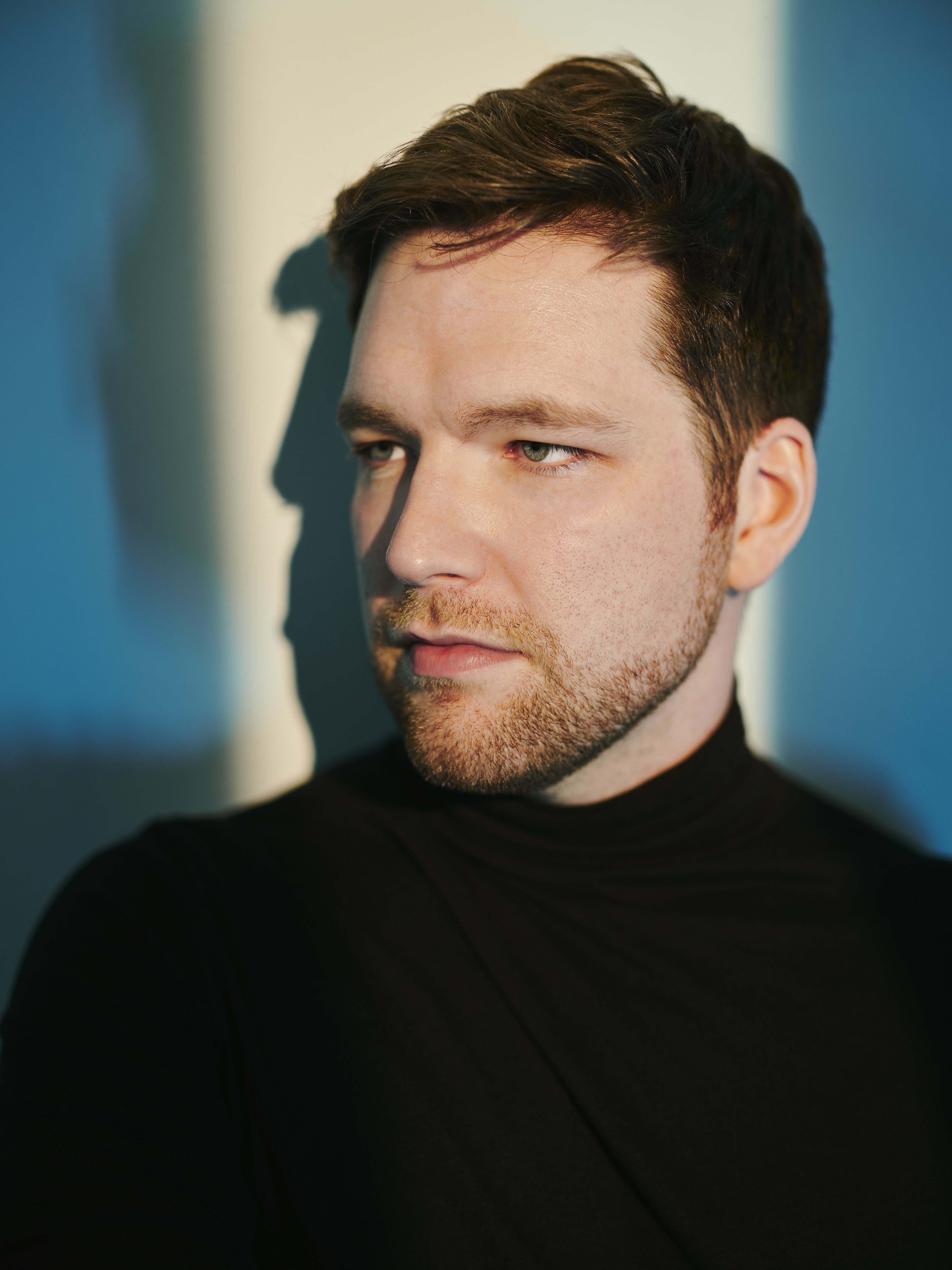
American pianist Brian Woods has emerged as a compelling artist of international acclaim, uniting commanding interpretations with expressive depth and dazzling stage presence. His debut album Wanderings was praised by the press as “a recorded introduction to a musician of rare technical faculty and interpretive insight.” Following a subscription debut with the North Carolina Symphony, Woods continues to build momentum as an exciting young artist with a growing international audience and a rapidly expanding discography, with his second album Prokofiev: Miniatures set for release on July 24, 2026. He serves as Music Director for Classical Programming and Artist in Residence at the World Chess Hall of Fame & Galleries in St. Louis.


